Culture-Driven Luxury Resorts
I keep seeing "culture-driven luxury" splashed across press releases, and two recent aggregations have pushed the phrase back into my inbox.
The label is doing heavy lifting
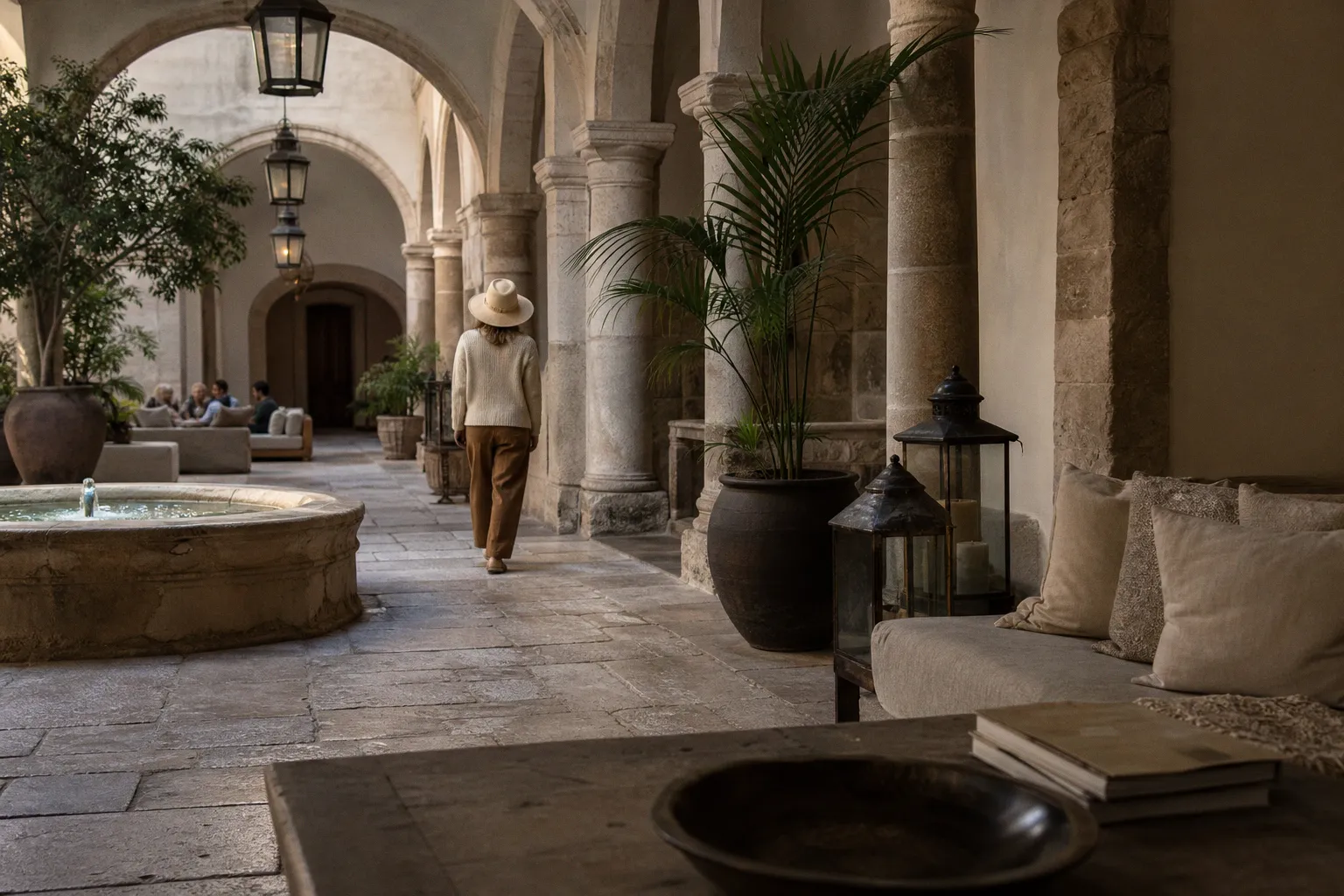
"Culture-driven" is doing a lot of work in that headline — it could mean a heritage building, a residency program with local artisans, or simply a lobby dressed in regional textiles. Without the underlying source text from these aggregators, I'm left with the titles alone, and the titles promise more than they specify. In my line of work, that's the first red flag. When a property leans on "culture" as its differentiator, I want to know whether the cultural element is structural — built into the building, the staffing, the suppliers — or decorative. A mural in the breakfast room doesn't count. A working relationship with the neighborhood's last remaining craft workshop does.
The 2026 picture, stretched thin
The Travel and Tour World piece casts a much wider net: Mexico partnering with Chile, Costa Rica, the United States, Finland, Portugal, Kenya, Canada, and Uruguay on sustainable journeys, culture, eco-adventures, safaris, arctic expeditions, and coastal escapes. It's a long list of geographies and an equally long list of product types, which tells me the "culture" label is being stretched across very different contexts. That matters for anyone booking heritage stays in old towns because it suggests operators are packaging culture as a commodity across continents. The question isn't whether culture is on the menu — clearly it is — but whether each property is cooking from a local recipe or reheating something imported.
What I'd verify before I book
Given how thin the public sourcing is here — two trend aggregators, no property names, no rates, no restoration details — I'd treat the category itself as the story, not any individual resort. If a place markets itself as culture-driven, I ask three things: what building is it actually in, when was that building last meaningfully restored, and which local producers or practitioners have a documented, ongoing relationship with the hotel. Marketing copy rarely volunteers the answers. Floor plans, permit records, and supplier lists do — and so does a quiet walk around the block before you check in.