Global rankings and trends reshape cultural travel in 2026
Four separate signals from July 2026 indicate that heritage-site management is fragmenting along structural lines.
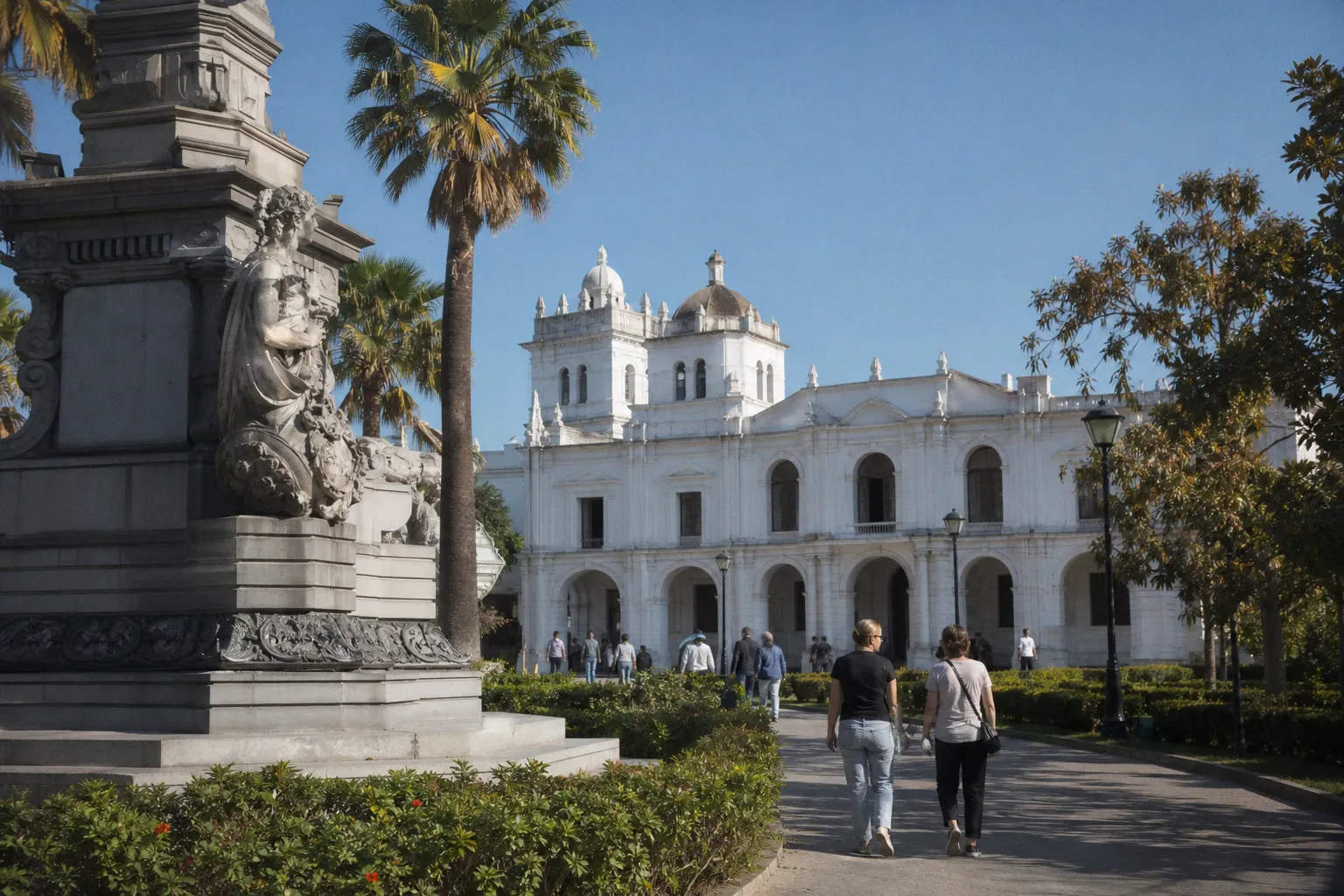
Karnataka convenes Hampi workshop
According to Travel and Tour World, Karnataka Tourism hosted a high-level workshop in Hampi with the stated objective of repositioning the site as a world-class heritage destination through a sustainable growth plan. Hampi already operates under existing UNESCO World Heritage inscription, which places any workshop outputs within a recognized international reporting and review structure. Available reporting does not specify proposed zoning modifications, visitor-load thresholds, structural retrofitting requirements, or buffer-zone adjustments. The figure to track is whether the resulting framework introduces enforceable spatial-hierarchy constraints, measured capacity limits, and a documented conservation schedule, or remains a promotional document without operational teeth.
George Town at 18 years of inscription
Malay Mail reports that George Town, Penang, has reached 18 years as a UNESCO World Heritage Site. The 18-year mark is technically significant within standard heritage-management cycles. It falls within the mid-term review window, when first-generation management plans, shophouse façade regulations, and buffer-zone enforcement are typically evaluated against measured indicators: masonry decay rates, commercial encroachment patterns, and adaptive-reuse permit volumes. Without disclosed data on current conservation status or pending zoning amendments, the milestone functions as an entry point into that review cycle rather than an outcome statement on the quarter's structural condition.
Beijing plans Ming Culture Theme Park
Global Times reports that Beijing is moving forward with a planned Ming Culture Theme Park designed to interpret the city's 600-year imperial heritage. The category differs structurally from both the Hampi workshop and