Turning Heritage Conservation into Contemporary Hospitality
A set of recent reports points to heritage conservation being repositioned as a hospitality and civic-revenue strategy, with adaptive reuse of historic fabric at the center of the discussion.
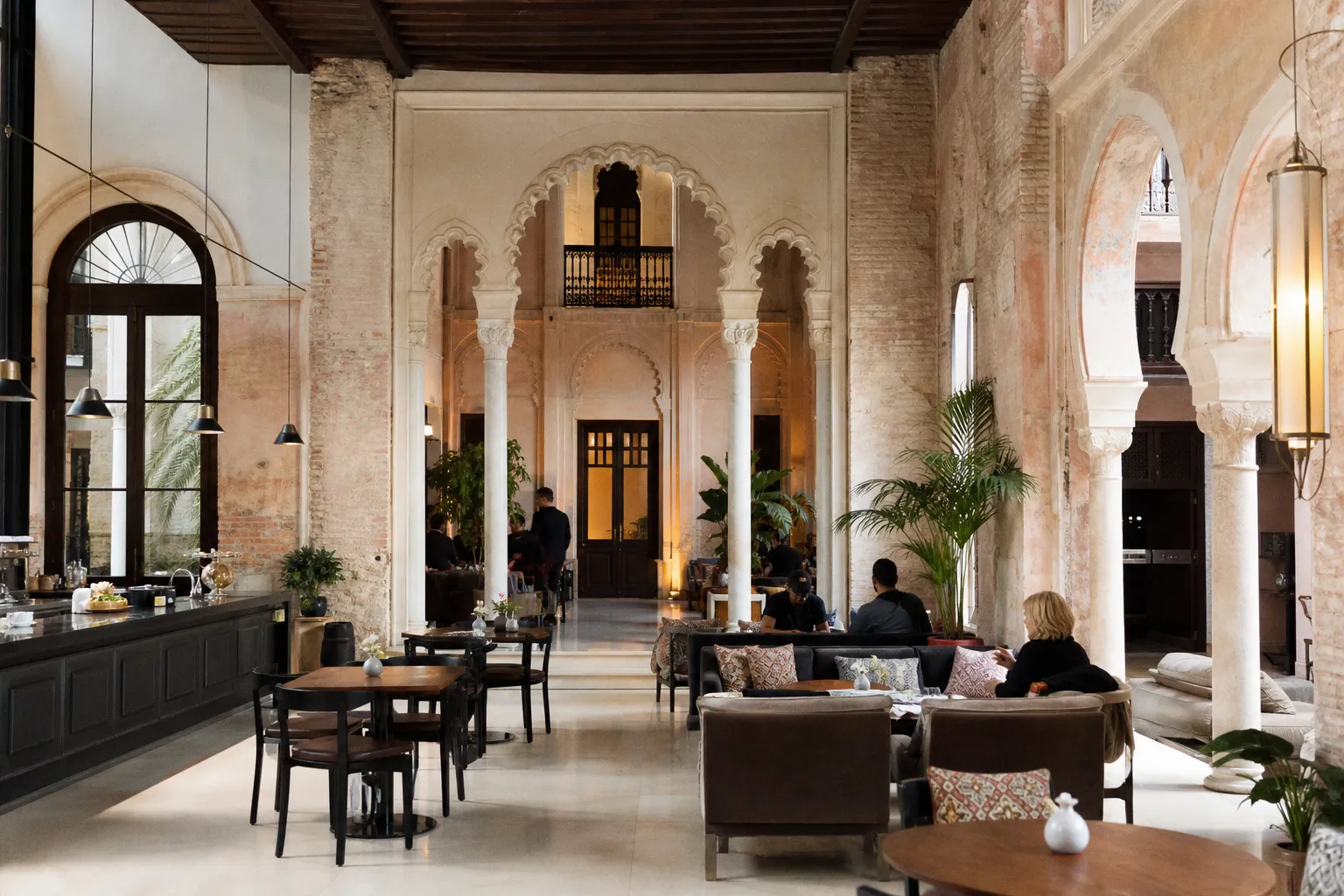
What the Framing Implies
Architect and Interiors India has carried the headline "Turning Heritage Conservation into Contemporary Hospitality," placing the conservation-to-hospitality pipeline on the editorial agenda. No detailed case studies, technical briefs, or specifications are available from the outlet in the current reporting cycle, so the substance of the proposal cannot be assessed against published detail. The headline alone signals a recurring debate in preservation practice: using boutique lodging, adaptive reuse, and ground-floor commercial conversion to generate the operating revenue that standalone conservation budgets rarely provide. The structural constraints are familiar. Load-bearing masonry does not accept arbitrary new openings. HVAC, plumbing, and fire-safety retrofits in heritage buildings typically require reversible interventions, and in most jurisdictions with protected old-town overlays, discrete zoning approval is required before any fabric is altered. None of those technical conditions is addressed in the available snippets.
A Concrete Example from Devichaur
The most detailed reporting comes from a July 5 heritage walk organized by the Editors' Society Nepal through Devichaur in Ward 7, Godawari Municipality, Lalitpur. More than 100 journalists, alongside municipal representatives, conservationists, local intellectuals, and residents, walked the site. Mayor Gajendra Maharjan stated that the municipality has prioritized the conservation, restoration, and promotion of historical, religious, and cultural heritage through its programmes. Deputy Mayor Muna Adhikari flagged the limitation: as Godawari Municipality is still relatively new, greater financial support from the state would enable additional conservation and development work. Heritage experts guided participants through the site's religious and historical layers; journalists documented the visit for future reports and documentaries. The Society has run similar walks previously in Shivapuri, Nuwakot, and Gufadanda in Sindhupalchowk — an incremental, site-by-site documentation model rather than a centralized restoration programme. The methodology is reportage first, intervention second.
Other Reported Initiatives
UNESCO has published a piece positioning Lalibela's rock-hewn churches within cultural diplomacy and World Heritage conservation; full text was not available in the current reporting cycle. Separately, boldnewsonline.com reports that Dr. Suheel Rasool Mir called on a lieutenant governor to highlight cultural heritage preservation initiatives, with detail beyond the headline not available. The convergence across these reports — Nepal, Ethiopia, and the reported India-side meeting — is rhetorical rather than technical: heritage is being framed as a diplomatic, civic, and economic asset. What remains unspecified in the available material is the preservation mechanism — zoning instruments, retrofitting specifications, mortar and material standards, and funding schedules — that would convert those stated commitments into measured work on the actual fabric. For old-town districts weighing similar adaptive-reuse proposals, the question worth tracking is not the announcement but the structural brief that follows it.