UNESCO hands over strategic tools to strengthen the protection of World Heritage in Ukraine
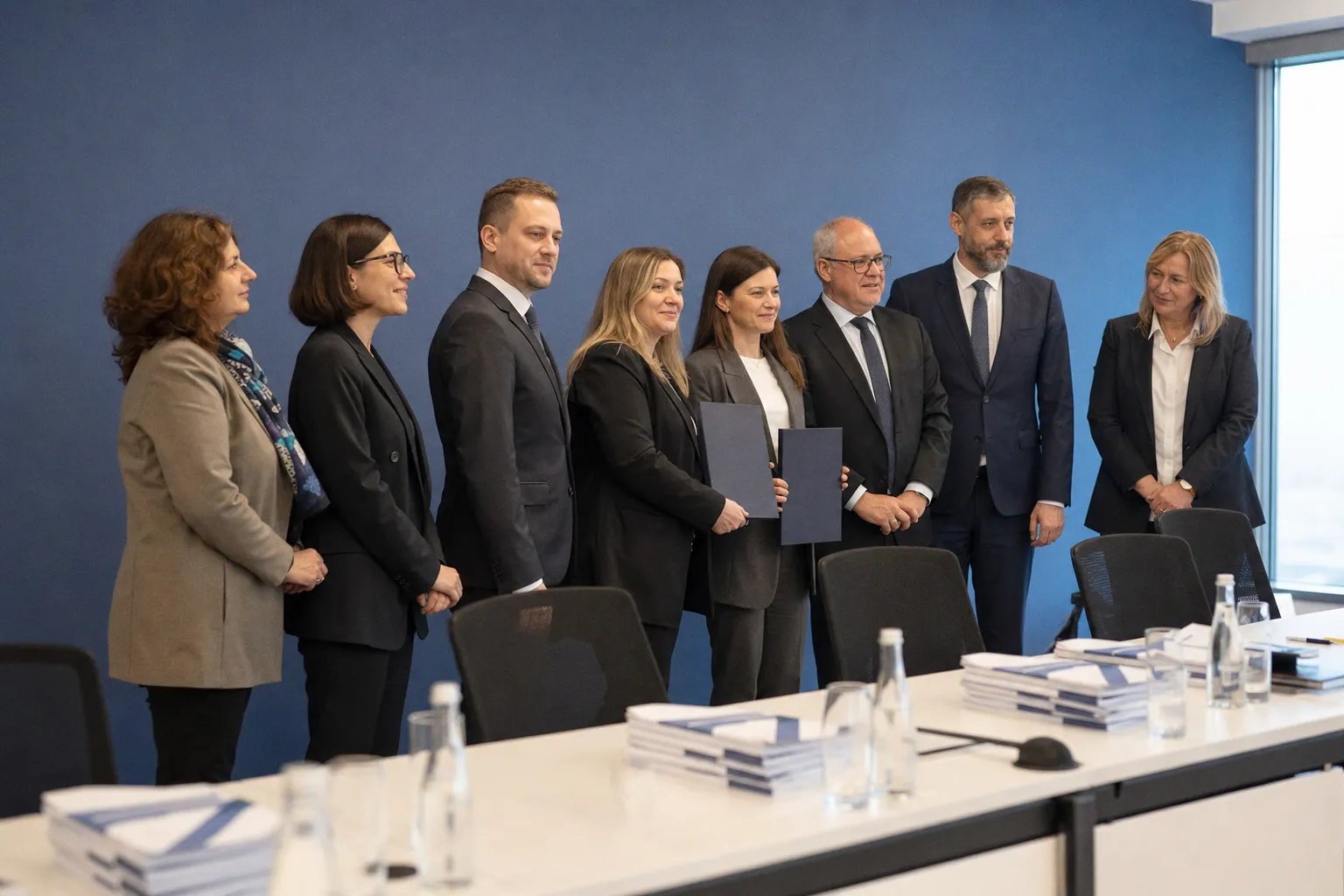
UNESCO delivered a structured toolkit for the protection of Ukraine's World Heritage properties on 25 June 2026.
Operational Framework for Specific Sites
The toolkit is not a general policy document. It comprises tailored frameworks for key properties. For Kyiv: Saint-Sophia Cathedral and Related Monastic Buildings and Kyiv-Pechersk Lavra, it provides methodologies for Emergency Response Preparedness plans. These structures analyse risk, establish documentation protocols, and outline operational planning to address hazards like missile strikes or fire. For The Historic Centre of Odesa, the tools support a revision of its management plan, integrating governance, conservation, and risk management within a wartime context. A strategic roadmap defines the Desired State of Conservation for Odesa's potential removal from the List of World Heritage in Danger, setting priorities and timelines for recovery.
Scaling National Capacity and Parallel Initiatives
The suite aligns with UNESCO's Culture in Emergencies (CURE) Framework, aiming to create a continuum from emergency response to sustainable reconstruction. It is designed to strengthen coordination among Ukrainian national institutions and international partners, while serving as a basis for resource mobilisation. The initiative involved a network of over 150 Ukrainian heritage professionals. Concurrently, a separate program for Ukraine's documentary heritage was launched, supported by 2 million euros from the European Union and Flanders, focusing on digitisation and preservation across archives and libraries.
For related context, see The new AI-based world order.
For related context, see Asia Travel Trends 2026: Why Thailand Outpaces India and Regional Competitors.
Strategic Shift in Preservation Methodology
This package represents a shift from reactive assessment to prescribed, structured response protocols. The involvement of ICOMOS and ICCROM in developing the technical guidance underscores its basis in established conservation science. For Ukraine's heritage managers, these tools offer a concrete, operational layer to navigate the immediate and long-term impacts of conflict on masonry, spatial integrity, and historical fabric. The focus on continuity—from first aid to reconstruction—addresses the critical gap in crisis response for complex architectural sites.