Urban Heritage Tourism Economics: How Cities Like San Diego Leverage Historic Architecture for Growth
San Diego’s stated alignment with New York, London, and Barcelona in prioritizing historic architecture for tourism growth represents a calculated economic repositioning, not an aesthetic preference.
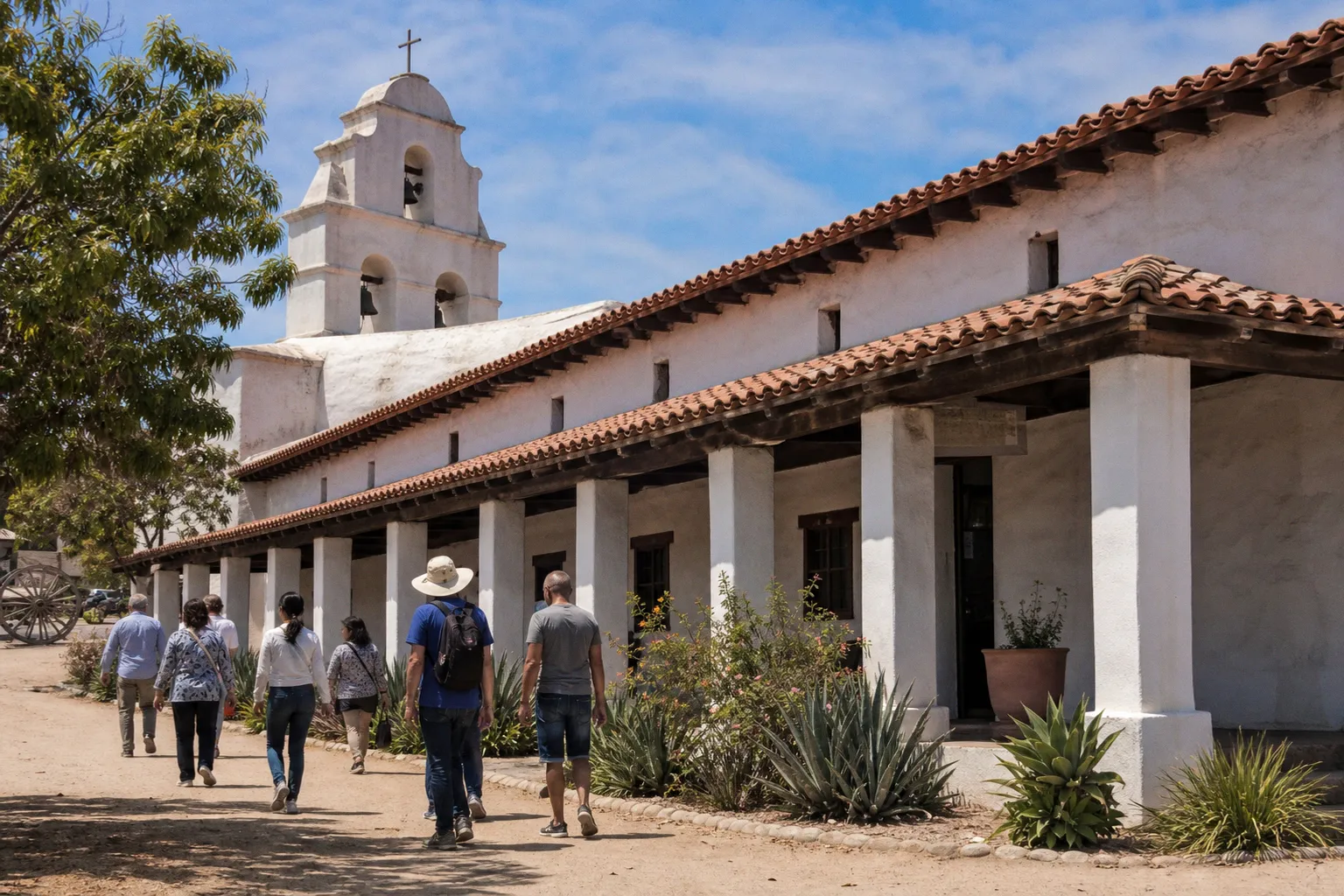
Structural Calculus Behind the Tourism Pivot
The designation of San Diego alongside established global centers indicates a strategic effort to capitalize on its built heritage as a quantifiable asset. While the specific metrics driving San Diego’s announcement remain unspecified in the available reports, the action itself signals an institutional recognition that preserved architectural landscapes—and the navigable spatial hierarchies they create—are key differentiators in a competitive tourism market. This is less about nostalgia and more about the adaptive reuse of masonry and streetscapes for economic yield.
The Global Pattern: Heritage as a Layered Economic Substrate
This development is not isolated. It fits a pattern where cities systematically catalog and retrofit their historic districts for visitor economies. Concurrently, international discussions—such as the recent ASEAN forum in Clark and expert panels at Tehran’s Golestan Palace—highlight the parallel pressures of preserving historical identity amidst modern threats, including conflict and unchecked development. The latter reveals a critical tension: the very physical assets being marketed for tourism are simultaneously vulnerable, requiring robust documentation and legal frameworks that often lag behind commercial interest.
For related context, see Global Pharmaceutical Growth Trends Through 2035: Scaling AI-Driven Neuro-Therapeutics.
For related context, see FAITH Conclave 2026 to Focus on Tourism Economics.
Practical Implications for the Heritage Traveler
For the reader, this shift has concrete implications. A city’s embrace of heritage tourism often translates into curated walking itineraries that route visitors through architecturally significant corridors, potentially altering the authenticity of the experience. Travelers should cross-reference promotional narratives with historical zoning records to understand what has been preserved, what has been heavily restored, and what spatial configurations remain original. The economic valorization of historic areas can lead to increased visitor foot traffic and altered mortar profiles from retrofitting—details that change the experiential reading of a site.
The trajectory is clear: historic districts are increasingly framed as performance spaces for the tourism economy. Observing how cities like San Diego implement this—whether through sensitive retrofitting or aggressive commercialization—will define the integrity of these old towns for decades to come.