Gran Hotel Margalida: A Masterclass in Sustainable Luxury and Heritage Preservation in Mallorca, Spain
Two recent publications in travel and heritage media frame hospitality projects as preservation instruments rather than purely commercial developments.
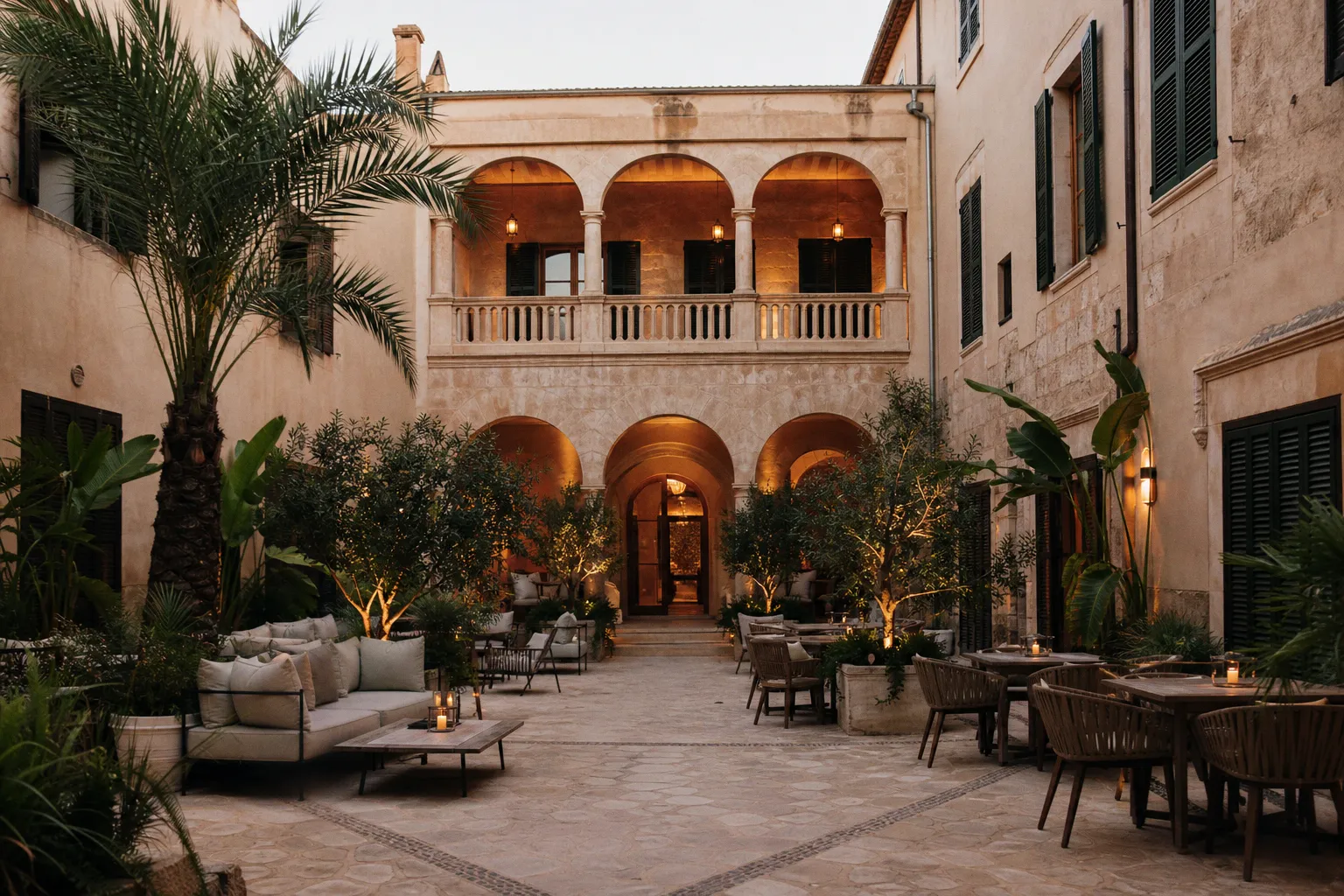
The Mallorca framing
The Gran Hotel Margalida piece positions the property within a growing sector of hotel developments that market their conservation credentials as a primary amenity. According to Travel And Tour World, the project is presented as a masterclass in sustainable luxury integrated with heritage preservation. The available evidence is limited to the headline; no structural details, construction periods, load-bearing configurations, or zoning records were included.
For a preservation analyst, the operative question is straightforward. Does the building stock predate modern construction codes, and did any adaptive reuse involve masonry consolidation, retrofitting of structural elements, or modification of the original spatial hierarchy? The headline framing — "sustainable luxury and heritage preservation" — does not distinguish between a new-build in a historicizing style, a full restoration of an existing envelope, or a hybrid intervention. Without published architectural surveys or conservation officer reports, the claim remains classificatory rather than documented.
The Acropolis parallel
The eKathimerini.com item describes exclusive luxury tours that fund Greek heritage preservation. Here the preservation mechanism is structurally different: conservation funding flows from a tourism revenue stream rather than from capital expenditure on a building envelope. The headline does not specify the percentage allocated, the administering body, or the specific monuments covered.
This model — premium access underwriting conservation work — has precedent across southern European heritage sites, where timed-entry surcharges and private after-hours tours are increasingly tied to designated restoration budgets. The Greek case, as framed, follows the same revenue-allocation logic. The technical question is how transparently that allocation is reported and audited.
What remains to be verified
Both items warrant follow-up reading before any structural assessment. Key data points missing from the available material include: the construction date and original function of the Gran Hotel Margalida building; the preservation methodology employed; the share of "Acropolis Experience" revenue directed to conservation; and the identity of the conservation body receiving those funds.
For travelers and readers evaluating claims of heritage authenticity, the practical threshold is operational. Does the property occupy a documented historic structure with traceable permits? Are the preservation claims supported by published surveys, municipal heritage registers, or independent technical reports? Headlines of this kind supply marketing positioning, not architectural evidence. The distinction matters when assessing where accommodation and tour revenue actually intersect with conservation outcomes on the ground.