Plovdiv Heritage Tourism: Analyzing 48-Hour Cultural Routes
A travel industry outlet, Travel And Tour World, has positioned Plovdiv, Bulgaria as "Europe's Ancient Tourism Powerhouse," packaging the city's Roman-period remains, its Old Town heritage stock, and…
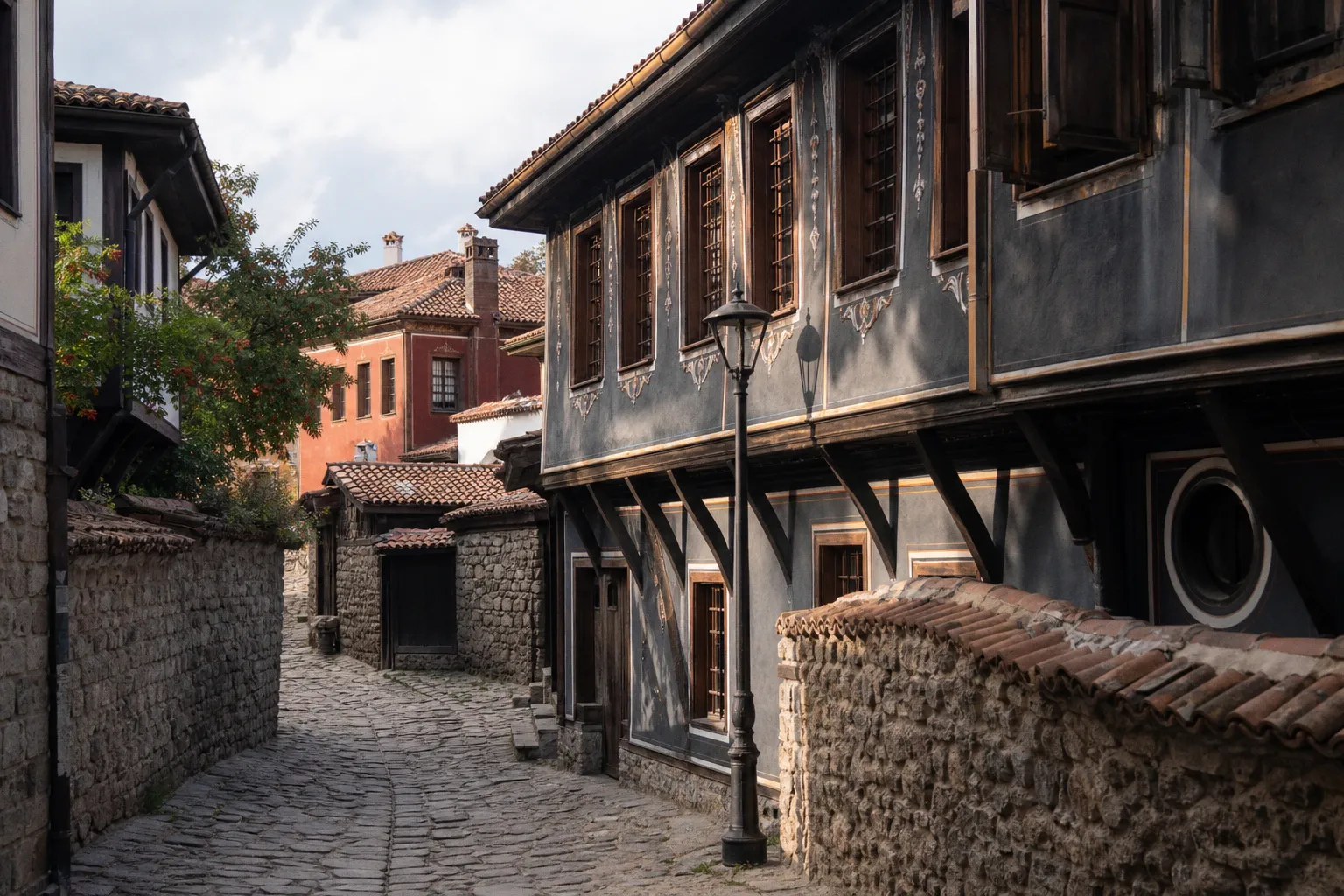
A travel industry outlet, Travel And Tour World, has positioned Plovdiv, Bulgaria as "Europe's Ancient Tourism Powerhouse," packaging the city's Roman-period remains, its Old Town heritage stock, and a revived creative district into a single 48-hour cultural itinerary. The framing is promotional, but for a preservation analysis the underlying claim — that three distinct historical layers can be traversed on foot within a two-day window — is a planning variable worth examining.
Density of layers versus density of visitors
What changes under concentrated tourism is not Plovdiv's footprint but its load distribution. The available source material does not specify which Roman-period structures, which Old Town properties, or which creative-district buildings the route passes through; it identifies only the categories. From a structural standpoint these three strata respond differently to concentrated footfall. Roman cut-stone construction behaves differently from load-bearing masonry in a vernacular quarter, and a repurposed warehouse or industrial layer behaves differently again. Each has its own tolerance for vibration, humidity fluctuation, retrofitting interventions, and direct-contact wear. Conflating them under a single timed itinerary treats them as interchangeable surface area, which they are not.
What the 48-hour frame actually measures
A 48-hour route is a commercial construct, not a heritage instrument. Its primary effect is to compress transit time between sites, which raises throughput per square meter of historic surface. The preservation variables the source does not address include seasonal dispersion of visitors, defined group sizes, the routing of circulation through structurally sensitive fabric, and whether the Roman-period zone and the Old Town carry any published carrying-capacity limit. Without those specifications, the headline designation functions as marketing copy rather than an assessment of physical limits.
For related context, see Amateur athletic training: training plans, strength and conditioning, mobility and.
For related context, see Travel guide to India for foreigners: destinations and regions, itineraries, visa and.
What to verify before treating the route as a planning reference
The underlying itinerary should be obtained in full: the specific streets, structures, and creative-district buildings included, stated group sizes, and any conservation or access restrictions published by local heritage authorities. Structural reports, monitoring intervals, and retrofitting permits are not part of the promotional package and must be sourced separately through municipal or national preservation offices. Until that documentation is available, the "powerhouse" label should be read as an editorial claim, not a technical evaluation of the town's capacity to absorb sustained visitor load.