Vietnam Heritage Rail Corridor: Impact on Hanoi, Huế and Đà Nẵng Urban Preservation
Hanoi’s alignment with Đà Nẵng, Bắc Ninh, and Huế on a national heritage rail corridor marks a formal shift in the spatial connectivity of Vietnam’s historic urban cores.
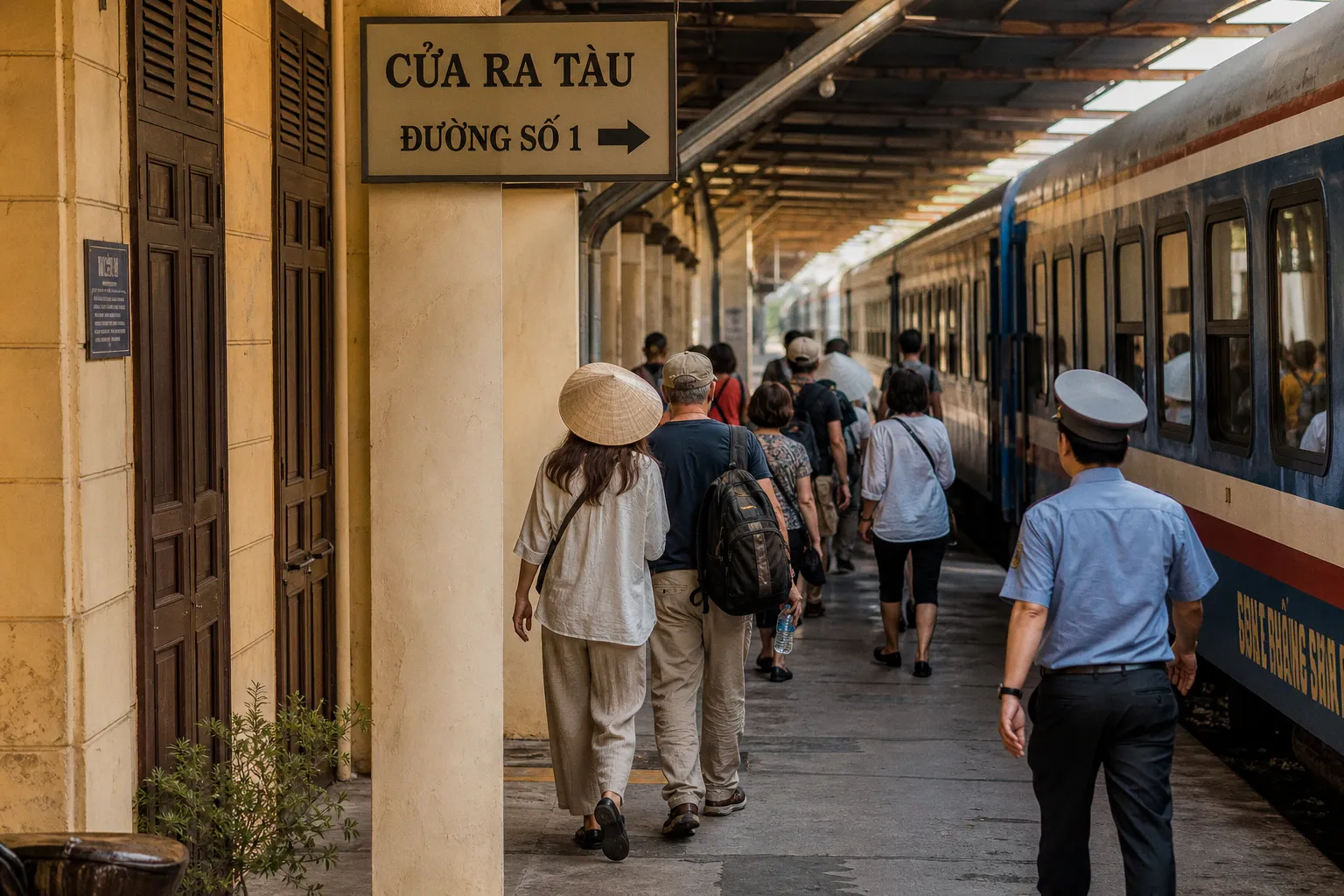
Spatial and Architectural Implications
The rail strategy creates a linked network of UNESCO-listed and nationally recognized historic districts. Hanoi’s Old Quarter, Huế’s Imperial Citadel, and the traditional streets of Đà Nẵng and Bắc Ninh are now endpoints and nodes in a continuous route. This connectivity alters visitor flow patterns, concentrating foot traffic and commercial activity along the rail line. The load-bearing pressures on old town infrastructure—from increased pedestrian volumes to adjacent service industry development—require monitoring. Municipal authorities in these cities will likely need to retrofit public spaces and manage the spatial hierarchy of heritage zones to accommodate this new transit-driven influx.
Preservation Economics and the Cultural Route
This initiative repositions these old towns as components within a single, marketed “cultural route.” The economic model shifts from isolated destination tourism to integrated journey tourism. For preservation analysts, the critical metric is how this concentrated, route-based revenue stream funds or distorts local conservation efforts. Reported terms like “immersive scenic journeys” and “cultural experiences” describe commercial offerings that must be evaluated against the physical character of the sites. The mortar and masonry of the temples and tube houses will bear the secondary effects of this primary economic strategy.
What to Monitor in the Built Environment
The long-term effect on architectural integrity will manifest in several areas: façade treatments along rail-adjacent streets, the conversion of residential structures into visitor accommodations, and the retrofitting of historic utilities. Watch for changes in the permitted use and spatial hierarchy of core heritage zones. The success of the strategy, from a preservation standpoint, will be measured not by visitor numbers alone, but by whether the increased revenue enables proactive structural interventions rather than reactive decay management. The integration of these old towns into a single rail corridor is now a fixed constraint in their future physical planning.