Yangchan Village Heritage Tourism and Rural Revitalisation
Yangchan Village, a rural settlement in China, is being repositioned as a domestic tourism destination through a heritage preservation framework, according to a report published by Travel and Tour World in late June 2026.
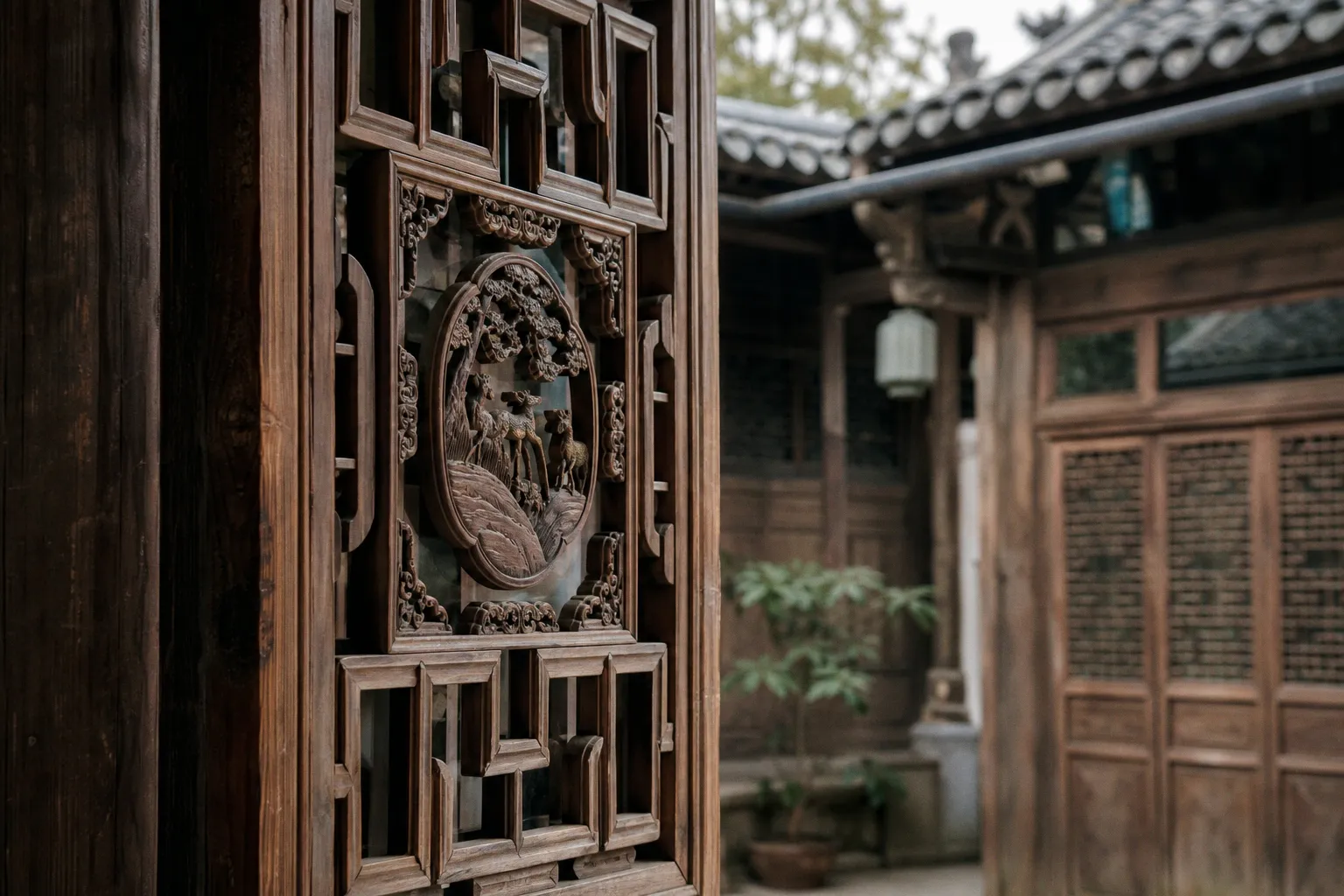
A preservation-led conversion
The headline framing — heritage preservation as the primary intervention, tourism as the measurable output — inverts the standard preservation economics documented in most old-town conversions. Where a historic quarter typically uses tourism revenue to underwrite conservation costs, the Yangchan case places conservation status itself as the instrument that produces the tourism product. The village's existing spatial and architectural fabric functions as raw material; state-backed heritage designation operates as the conversion mechanism; domestic travellers are the specified end market. The available reporting treats the village as a representative node within a wider rural revitalisation programme rather than a individually documented site, which is a meaningful distinction. A single-village preservation scheme and a programme-level conversion operate at different scales, carry different maintenance obligations, and produce different displacement risk profiles for incumbent residents.
No specific zoning instruments, load-bearing assessments, mortar specifications, or designation categories have been disclosed in the public reporting reviewed here. The absence of these technical details is itself a structural signal: the case is being circulated in tourism trade press rather than architectural or conservation literature, which suggests the framing is currently market-oriented rather than preservation-evaluative.
For related context, see Does walking trigger enough brain-derived neurotrophic factor?.
For related context, see Ministry of Tourism, Google India partner to strengthen digital tourism ecosystem.
Parallel developments in the field
The Yangchan report sits within a late-June 2026 cluster of coverage in which heritage work is being rebranded across jurisdictions as economic and digital infrastructure. The Korea Herald has published a call for a formal preservation framework in Seoul, indicating that comparable urban centres in the region are still negotiating baseline regulatory apparatus. Adobo Magazine has reported on Google DeepMind's collaboration with Pelé on cultural heritage digitisation. VietNamNet has covered the application of digital documentation methods to My Son, a World Heritage Site in Vietnam. The four items together describe a period in which preservation is being repositioned away from a purely custodial function and toward an explicitly productive one.
What to watch
For readers tracking how historic settlements convert into tourism assets, Yangchan Village is a live test of the preservation-as-catalyst model. The current reporting provides no occupancy figures, visitor counts, designation dates, architectural surveys, or retention data for existing residents. Any structurally sound evaluation of the conversion requires those baseline numbers and clarity on which preservation codes have actually been applied to the site. Until those surface, the case warrants observation rather than direct emulation as a planning template.