Crest Ventures expands redevelopment presence in Dadar East via Rs 2,200 Cr project
Crest Ventures has been reported as entering or expanding a redevelopment position in Dadar East, a land-constrained Mumbai micro-market where replacement construction is now a principal form of urban change.
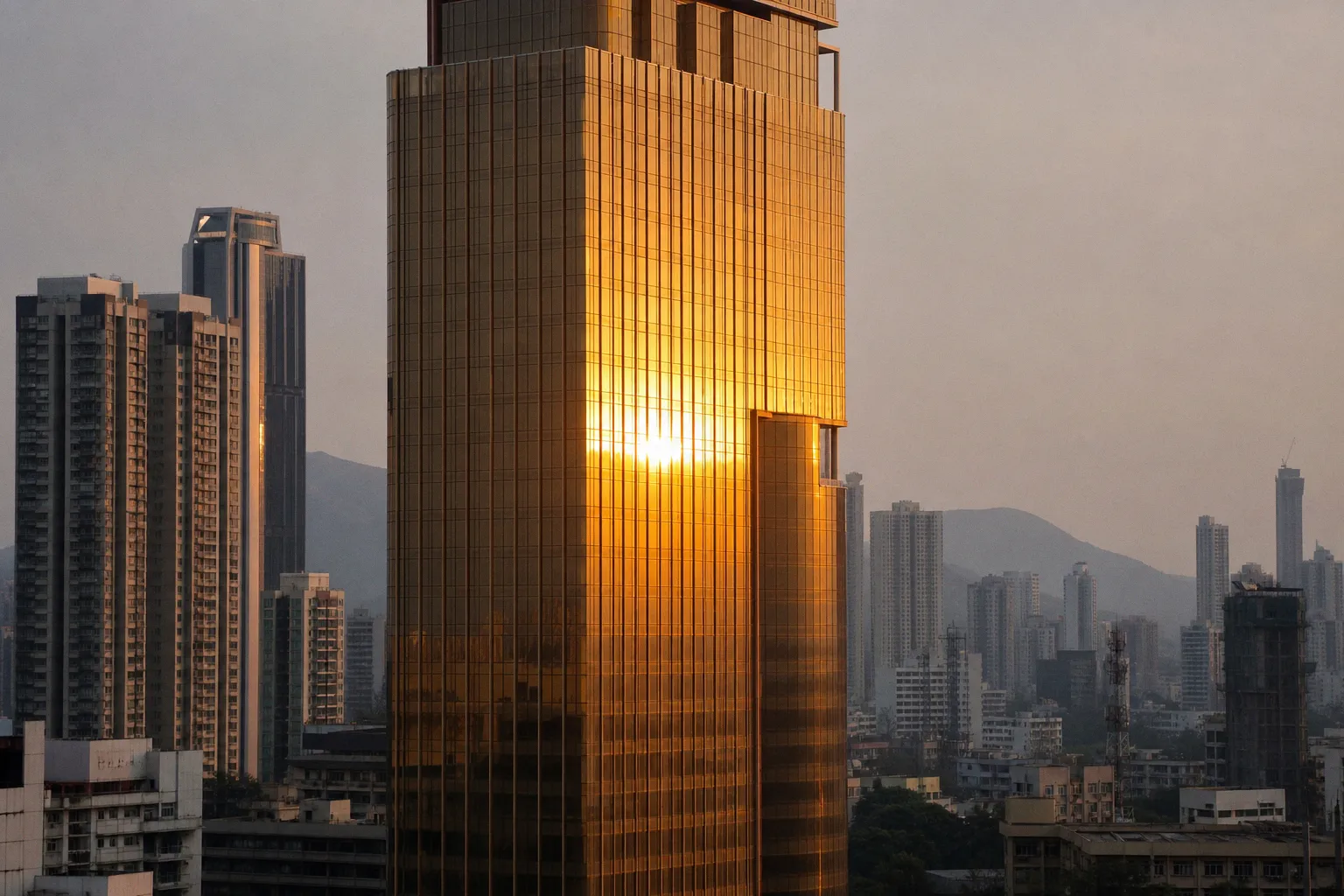
The project is a redevelopment signal, not a conservation one
According to sahi.com, Crest Ventures has announced entry into a redevelopment project in Dadar East and is positioning the move within high-margin residential and mixed-use urban renewal in South and Central Mumbai. The same source characterises the approach as less capital-intensive than outright land purchase, because the company is working through redevelopment rather than acquiring vacant land.
That distinction matters in old urban fabric. Redevelopment alters the built environment through plot assembly, tenant consent, floor-space incentives, and replacement structures. It is not the same as adaptive reuse, façade retention, or fabric-led conservation. The load-bearing question for any district under this model is whether existing street widths, masonry stock, plot grain, and pedestrian hierarchy survive the financial logic of the new envelope.
The available sources do not provide architectural drawings, site boundaries, floor-space details, tenant counts, or heritage-status information. No claim can therefore be made about the specific buildings affected. The only defensible conclusion is narrower: Crest Ventures is increasing exposure to a Mumbai redevelopment market where older built areas are being treated as development capacity.
Conflicting valuations require caution
The cluster contains two different monetary frames. scanx.trade refers to a ₹2,200 crore project in Dadar East. sahi.com reports a “landmark” Dadar East project worth ₹450 crore and gives that figure as the estimated gross development value. Without a primary filing, sanction document, or project notice in the available material, these figures should not be collapsed into one number.
sahi.com adds several market interpretations: it says the project may strengthen Crest Ventures’ medium-term revenue visibility, represents nearly 40% of the company’s current market capitalisation in terms of gross development value, and fits a broader shift toward organised players in Mumbai redevelopment. It also says Mumbai real estate is dominated by redevelopment because of limited greenfield land, and refers to regulatory easing through the Unified Development Control and Promotion Regulations.
Those are market assertions from the source, not independent verification. They are still relevant because they show how redevelopment is being priced: as an asset-light route into central urban land. For preservation analysis, that is the pressure point. When value is extracted from additional buildable area, the architectural fabric becomes a negotiable input unless regulation, ownership structure, or civic review imposes limits.
What heritage travellers and observers should watch
The practical question for old-town readers is not whether Dadar East gains another premium project. It is whether redevelopment changes the legibility of the district at street level. Replacement towers can preserve address value while erasing spatial hierarchy: shopfront rhythm, thresholds, courtyards, stair cores, and the fine-grained relationship between residential use and the street.
The sahi.com account identifies key risks for the project as delays in obtaining full tenant consent and changes in government policy around FSI premiums. Those risks are usually read financially. They also determine preservation outcomes. Tenant consent processes influence whether existing communities remain in place. FSI premiums influence height, massing, and the pressure to maximise saleable area. Both factors affect how much of the older urban structure remains visible after redevelopment.
Trade Brains, in a separate headline, has pointed to large slum redevelopment projects from Dharavi to Antop Hill and their potential effect on nearby property prices. That wider frame is useful but should not be overstated here. The present evidence does not establish a direct link between those projects and Crest Ventures’ Dadar East move. It does, however, place the announcement inside a larger Mumbai pattern: redevelopment is now a major instrument for remaking central and inner-city land.
For visitors, guides, and preservation-minded residents, the next documents to watch are specific rather than promotional: municipal approvals, rehabilitation terms, plot-level plans, and any disclosure of existing structures. Until those are public, the story remains a market announcement with architectural consequences still undefined.