Discover the Magic: Türkiye Culture Route Festival Arrives in Van Now
Van’s heritage infrastructure is being asked to carry a new seasonal load. Travel And Tour World reports that the Türkiye Culture Route Festival has made its debut in the eastern Turkish city…
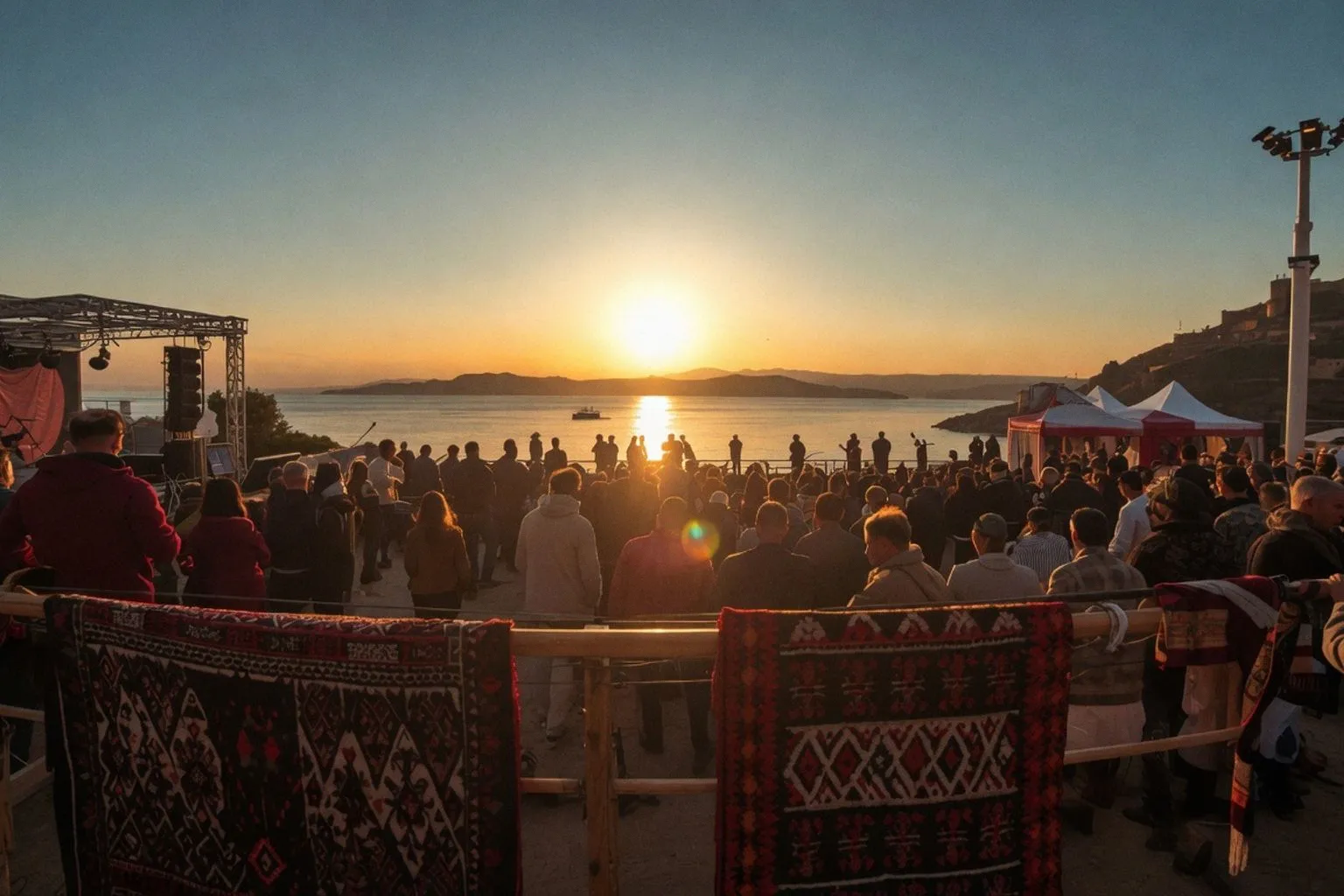
Van’s heritage infrastructure is being asked to carry a new seasonal load. Travel And Tour World reports that the Türkiye Culture Route Festival has made its debut in the eastern Turkish city, positioning Van not only as a performance venue but as a gateway to Anatolian history, craft, and conservation questions. For heritage travellers, the relevant point is not the festival branding; it is how temporary cultural programming redirects movement through a city with Urartian remains, medieval ecclesiastical architecture, and living craft economies.
Van as a festival site, not a stage set
The reported programme places Van inside Türkiye’s wider Culture Route Festival, a multi-city initiative intended to raise the visibility of regional cultures through performances, exhibitions, and workshops. In practical terms, this changes the visitor’s spatial hierarchy. The city centre, gallery spaces, outdoor stages, and heritage excursions become linked parts of one temporary route system.
The source describes the Van edition as combining visual arts, music, and traditional craftsmanship. Outdoor stages are said to host performances drawing on regional folk music, while galleries are used for contemporary artists working with Anatolian themes. That is a useful distinction. The festival is not presented only as an antiquarian exercise. It places historic motifs and current production in the same circuit.
For old-town travellers, that can be productive if read carefully. Festivals often compress movement into a few visible nodes. Van’s built heritage is more dispersed. The reported emphasis on organised access and guided movement matters because major sites around the city do not function like a compact Mediterranean old town with a continuous pedestrian fabric.
The conservation issue is access pressure
The most relevant preservation claim in the report is that the festival is framed around sustainable tourism and tangible cultural heritage. The source says the event aims to support awareness of restoration needs, direct attention to lesser-known districts, and encourage local communities to participate in maintaining architectural heritage.
Those claims should be treated as programme language, not measured outcomes. No restoration budget, conservation timetable, or site-condition survey is provided in the material. Still, the mechanism is clear enough: distributing visitors away from a small number of heavily photographed monuments can reduce pressure on principal attractions and bring economic value to secondary places.
Van’s heritage assets cited in the report include Akdamar Church, identified as a 10th-century architectural work on an island in Lake Van, and Van Castle, associated with the Urartian Kingdom. The same report notes traditional kilim weaving and Van breakfast culture as part of the city’s cultural offer. These categories require different forms of care. Masonry monuments need structural monitoring, controlled access, and competent restoration. Craft traditions need working markets, transmission of technique, and buyers who understand material quality rather than treating the object as festival décor.
What visitors should verify before building an itinerary
The immediate travel question is logistical. The report says visitors are encouraged to use organised shuttle services connecting major cultural venues with the city centre, and that local transport or guided group tours may be useful because historical sites are geographically spread out. That is the point to verify before arrival: not the slogan, but the operating route, frequency, venue access, and whether island or castle visits are actually integrated into the day’s programme.
Travellers interested in architecture should also separate event attendance from site interpretation. A concert near a historic setting does not explain masonry phases, later interventions, or the conservation state of a monument. If Akdamar Church or Van Castle is central to the trip, the itinerary should leave time for close viewing rather than treating the site as a backdrop between performances.
The festival’s reported “slow travel” language is more credible when it results in longer stays, local guides, craft purchases made at source, and movement beyond the most obvious stops. It is less meaningful if it merely adds temporary stages to an already fragile heritage circuit. Van’s value for the old-town traveller lies in that tension: a city where festival infrastructure may improve access, but where the serious work remains the reading of settlement layers, material fabric, and the limits of conservation capacity.