Egyptian-French cooperation in heritage preservation example to follow
A meeting in Paris on 30 June between Egypt's Minister of Tourism and Antiquities Sherif Fathy and UNESCO Director-General Khaled El Enany produced no signed instruments but confirmed a continuing…
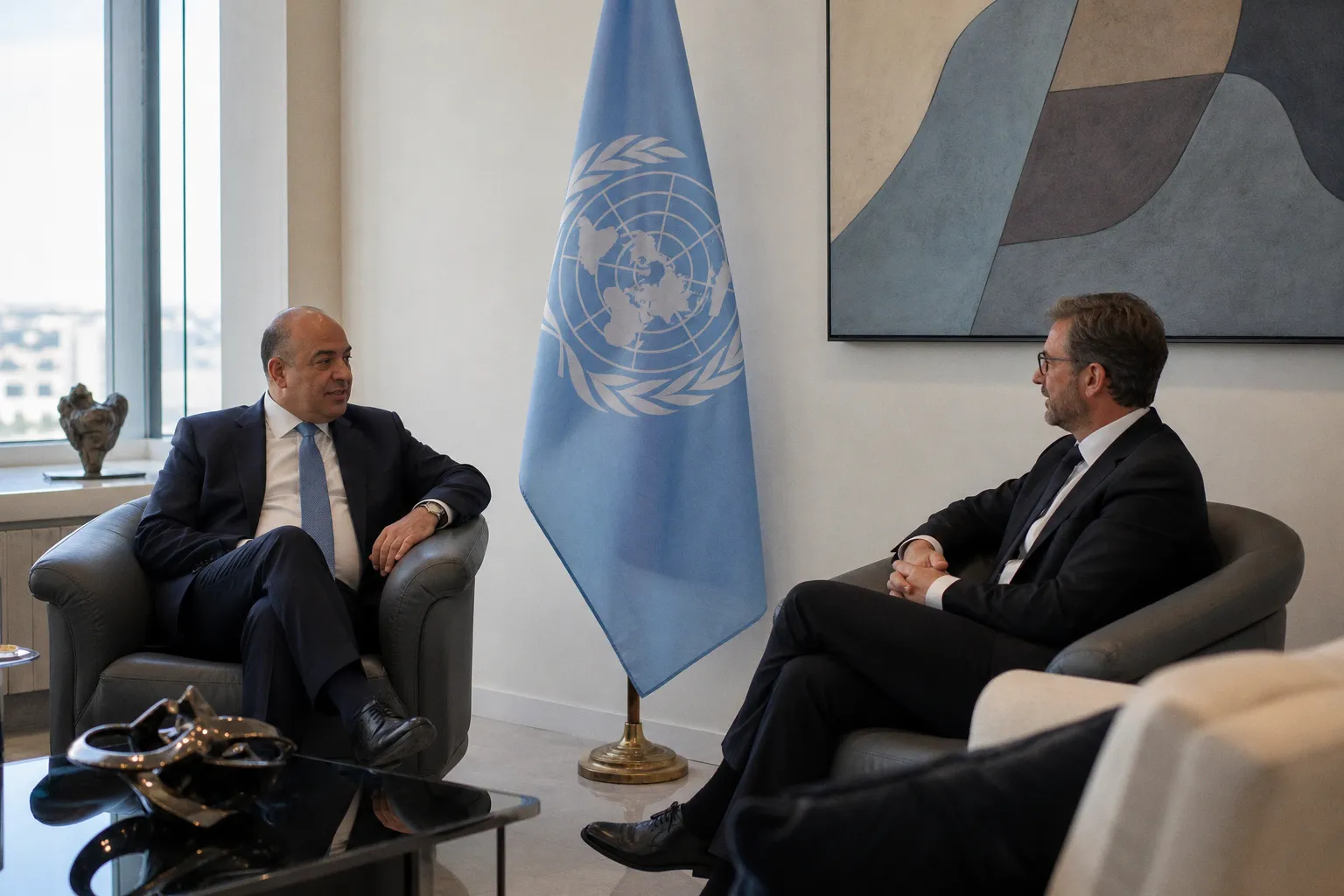
A meeting in Paris on 30 June between Egypt's Minister of Tourism and Antiquities Sherif Fathy and UNESCO Director-General Khaled El Enany produced no signed instruments but confirmed a continuing framework linking antiquities protection, capacity-building, and cultural tourism, with French tour operators and airlines placed on the same itinerary.
The Paris meeting in structural terms
Fathy's official visit to Paris consolidated heritage preservation, tourist-flow planning, and UNESCO coordination onto a single schedule. Egypt's Ambassador to France Tarek Dahroug attended the session with El Enany, indicating that bilateral diplomatic channels remain tied to site-management discussions rather than separated from them. According to Sada Elbalad reporting, both sides reviewed ongoing cooperation between Egypt's Ministry of Tourism and Antiquities and UNESCO, with explicit reference to safeguarding antiquities and supporting joint preservation projects.
Preservation logic: capacity-building and sustainable tourism
The talks examined capacity-building programs and initiatives that position sustainable and cultural tourism as an economic driver. The operative logic is structural: predictable visitor revenue underwrites the routine maintenance — repointing mortar joints, correcting drainage paths, controlled retrofitting of services — that determines whether a historic fabric remains accessible or is closed pending intervention. Statutory designation alone does not preserve load-bearing assemblies; recurrent funding does. The reporting frames tourist revenue as the stream that connects preservation policy to masonry on the ground.
Site-management questions raised by the French-market push
Fathy's Paris schedule extended beyond UNESCO into meetings with leading French tour operators and airlines, with the stated aim of increasing arrivals from France. For the preservation field, higher projected foot traffic raises specific technical questions: carrying capacity at major sites, visitor routing that limits abrasive wear on historic surfaces, and structural retrofitting required to accommodate larger groups inside older masonry enclosures. None of these engineering and zoning questions appear in current public reporting. What remains worth tracking is whether the announced cooperation yields a documented framework with budgets, named sites, or maintenance timelines — or whether it remains at the level of stated intent.