Yazd governor-general links protection of historic fabric to sustainable tourism
Yazd's provincial governor-general, Mohammadreza Babaei, used the 18th of Tir commemoration of the city's inscription on the UNESCO World Heritage List to publicly link preservation of the historic…
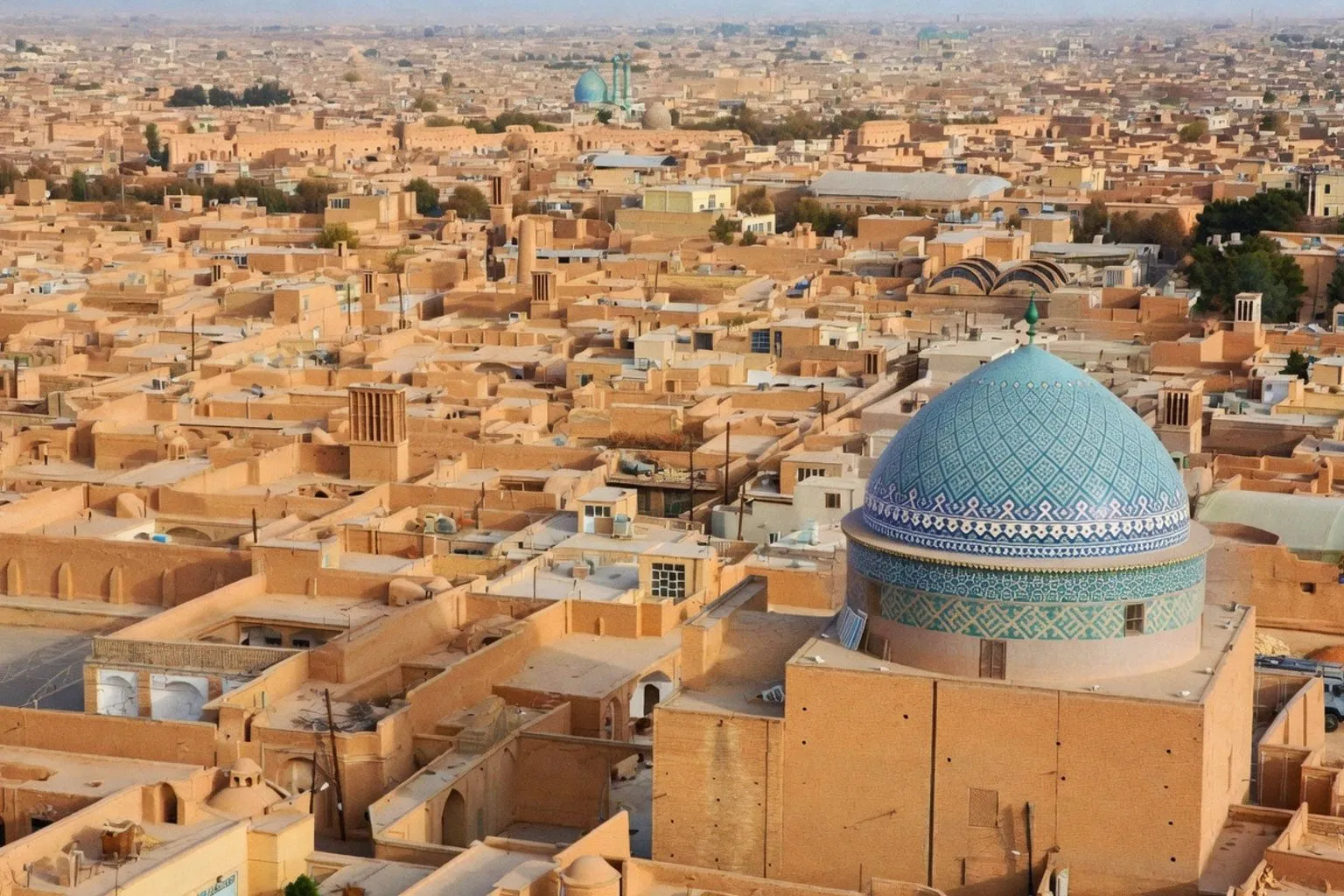
Yazd's provincial governor-general, Mohammadreza Babaei, used the 18th of Tir commemoration of the city's inscription on the UNESCO World Heritage List to publicly link preservation of the historic earthen fabric to "identity-based economic development" and sustainable tourism. The statement, reported by the Tehran Times via Mehr news agency, couples structural conservation with revenue generation drawn from the historic core — a configuration with direct implications for visitor flows, building permits within the buffer zone, and the commercial load placed on load-bearing adobe walls and qanat-fed districts.
Stated mechanism
Babaei's quoted formulation binds four operational tracks: preservation of the historic fabric, an "identity-based economy," expansion of sustainable tourism, and deployment of expert capacity for "revitalization of urban authenticity." The message discloses no budget figures, timelines, or zoning amendments. The provincial administration thanked cultural heritage officials, NGOs, researchers, architects, and residents for their role in safeguarding the site, signaling a consultative posture rather than a centrally drafted redevelopment plan. For visitors, the operative variable is whether this rhetoric translates into enforceable restrictions on adaptive reuse, signage, and rooftop additions within the protected core — interventions that, in earthen cities, frequently compromise thermal mass and qanat hydrology.
The fabric in question
UNESCO's inscription rationale centers on Yazd's qanat system, windcatchers, mosques, minarets, bazaars, bathhouses, Zoroastrian temples, synagogues, and the Dolat-abad Garden — an inventory tied together by an underground water network whose earliest documented supply channels date to the Sassanid period (224–651 CE), with most surviving Ab-Anbars (mudbrick cisterns) traceable to the late Safavid and Qajar periods. Construction logic is consistent across the core: load-bearing adobe walls, vaulted and domed roofs, courtyards set below grade for thermal buffering, and windcatchers engineered to move air across water surfaces in basement-level rooms. Yazd sits roughly 270 km southeast of Isfahan on the Iranian plateau, near the historical convergence of Silk and Spice Road routes.
What travelers should watch
Three indicators will determine whether the policy statement has operational weight. First, any revised buffer-zone regulation affecting the historic districts — particularly restrictions on excavation depth, which directly threatens qanat integrity. Second, the terms under which tourism revenue is recycled into mortar repointing, dome reinforcement, and windcatcher maintenance — categories of expenditure that become critical in earthen masonry, where uncompressed structural loads shift rapidly with humidity cycles. Third, the treatment of vernacular adaptive reuse — whether restored courtyard houses are rezoned for hospitality with structural retrofits documented, or permitted to deteriorate behind facade-only cosmetic work. The current statement commits to none of these specifics; it does, however, formally align the provincial government with the language of sustainable tourism, which historically precedes — but does not guarantee — enforceable preservation instruments.
The kind of sustained, multi-decade attention that earthen heritage infrastructure requires stands in contrast to the compressed narrative cycles that define Premier League transfer coverage and Champions League analysis — where attention resets every window rather than accumulating across centuries.