Exclusive Acropolis tours fund Greek heritage preservation
A five-thousand-euro access fee per group, capped at five visitors, now funds conservation work at the Acropolis under a program launched by the Greek Ministry of Culture in partnership with the Hellenic Organization of Cultural Resources Development.
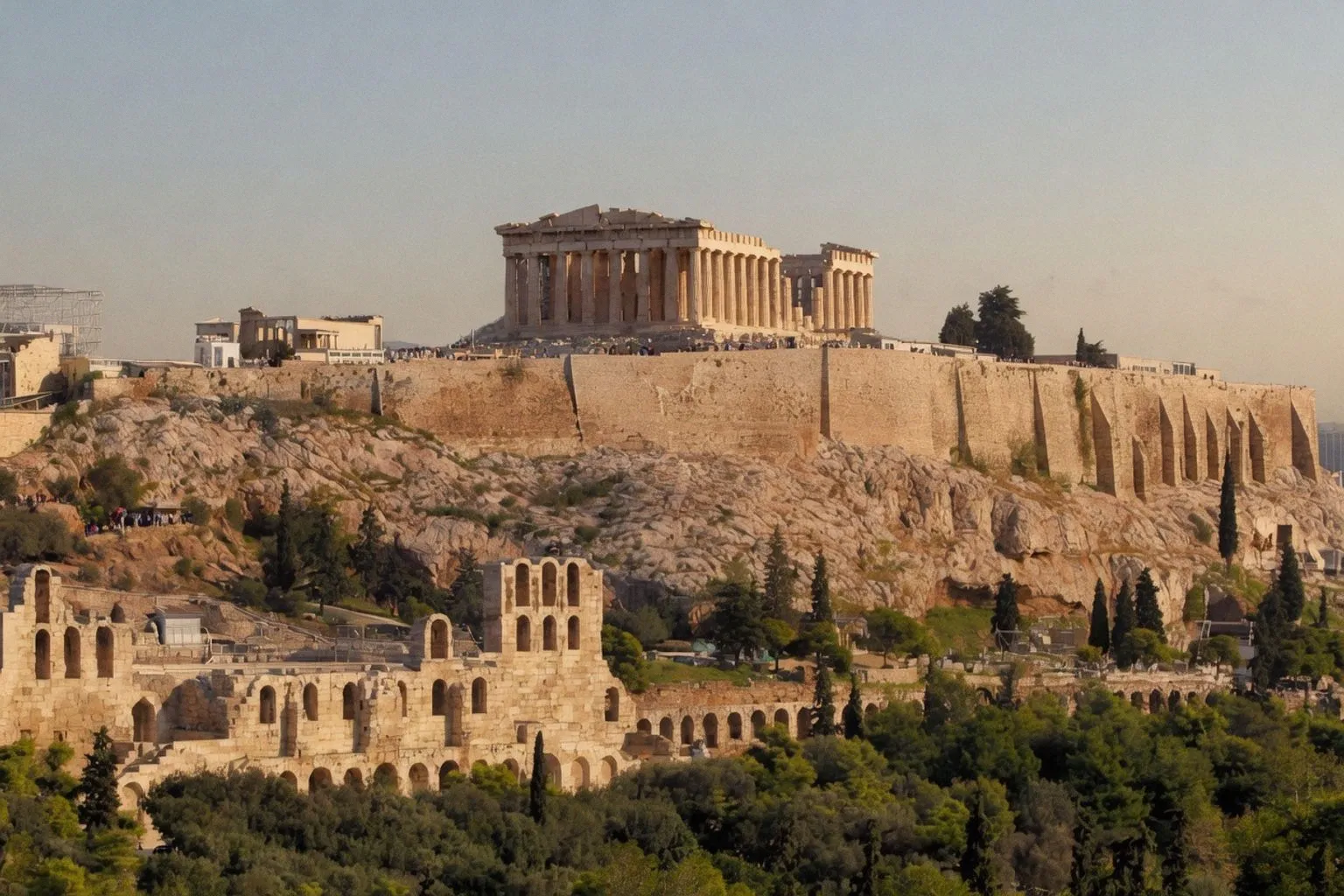
Funding Mechanism and Site Capacity
The program, branded "The Acropolis Experience," operates during off-peak hours—sunrise and sunset slots—when the site is cleared of general admission traffic. This scheduling constraint is not cosmetic. The Acropolis hill's load-bearing substrate, a combination of limestone bedrock and accumulated fill layers, sustains measurable compression stress from foot traffic concentrated along the Parthenon's north and south peristyle routes. Limiting groups to one to five participants reduces point-load pressure on paving surfaces that date, in their current form, to post-independence restoration campaigns of the 1830s–1950s.
Each booking generates a flat €5,000 fee. Officials report that every euro is allocated to the protection, conservation, and promotion of Greece's broader cultural heritage portfolio—not merely Acropolis-specific interventions. This cross-subsidy structure distributes funding to sites with lower visitor revenue but acute conservation needs, such as Mycenaean-era masonry stabilization or Hellenistic fortification walls requiring lime-mortar repointing.
Structural Implications of Access Control
The decision to cap group sizes permanently, despite growing demand, carries preservation logic beyond exclusivity marketing. Program director Angeliki Maragkaki, quoted by the Athens-Macedonian News Agency, stated that maintaining the five-person maximum preserves "the quality and sense of exclusivity that define the experience." From a conservation engineering standpoint, the cap also limits vibration transmission to column drums and architrave blocks—elements vulnerable to cumulative micro-fracturing from pedestrian-induced oscillation.
The trend toward solo travelers and couples booking entire slots at the full €5,000 rate further reduces per-session foot traffic. A single occupant generates roughly one-fifth the surface wear of a five-person group traversing the same marble pathways. This asymmetric revenue-to-impact ratio is structurally favorable: higher income per visitor-hour, lower aggregate material degradation.
What to Track
The 2026 season will provide the first full-year revenue dataset under operational scale. Whether the €400,000 projection holds—and how those funds are distributed across Greece's heritage portfolio—will determine if this model can be replicated at other high-density archaeological sites facing deferred maintenance backlogs. Visitors with access to the program should note that booking is managed through official Greek Ministry channels; pricing is fixed, not negotiable, and scheduling is weather-dependent given the open-air exposure of all structures on the Acropolis summit plateau.