George Town celebrates 18 years as a Unesco World Heritage site
We combine rigorous historical research with firsthand street-level reporting to bring you immersive narratives and reliable, self-guided walking routes.
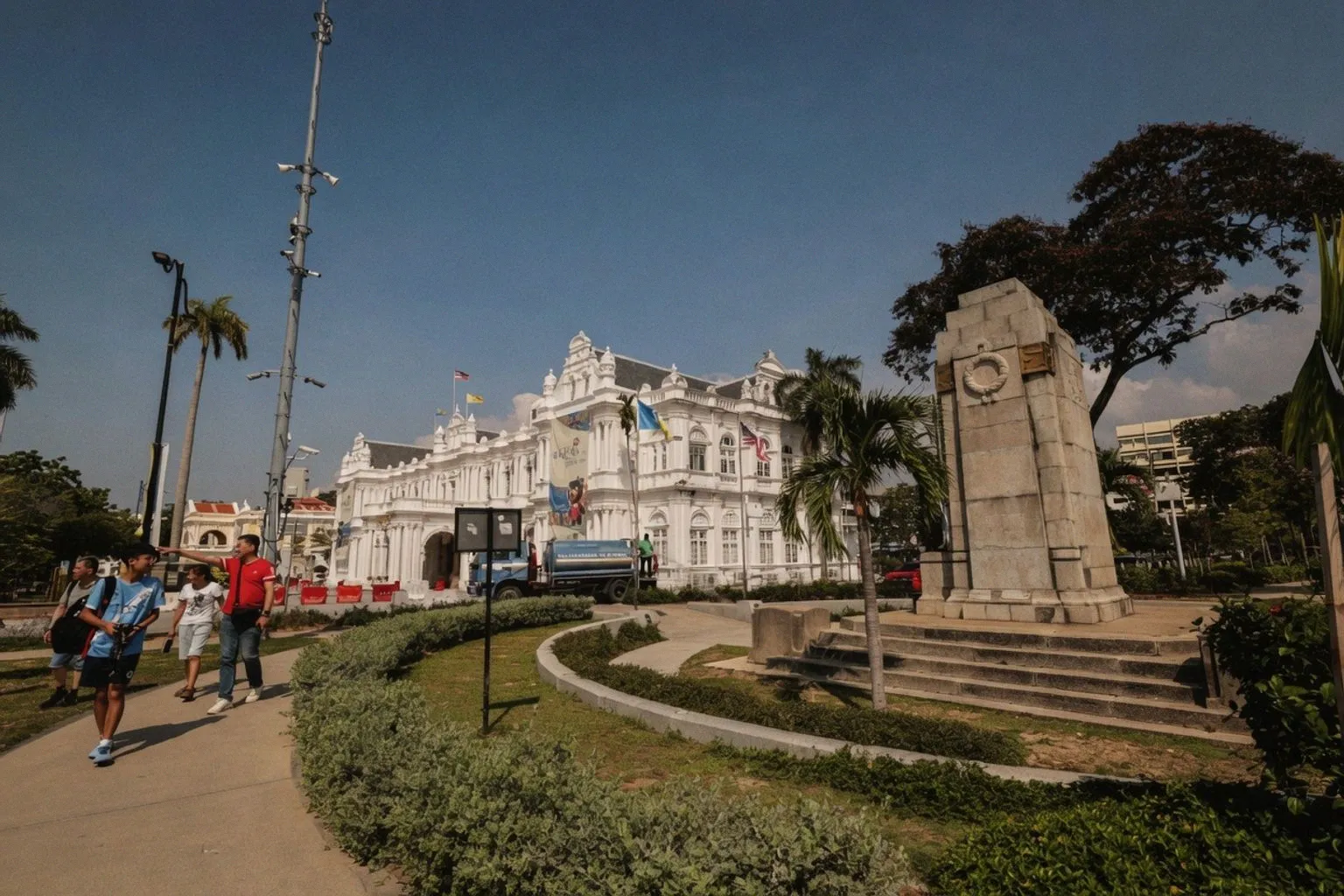
George Town celebrates 18 years as a Unesco World Heritage site
George Town marks 18 years on the UNESCO World Heritage list with its governance framework intact and a substantial adaptive reuse pipeline behind it. The 18th anniversary, observed on 7 July 2026, falls exactly eighteen years after the site was inscribed on 7 July 2008 for its Outstanding Universal Value. Penang authorities are using the occasion to reaffirm the planning controls that have shaped the historic core since designation.
The review apparatus underpinning designation
The conservation regime in force is the George Town UNESCO World Heritage Site Special Area Plan, a zoning instrument under which every development proposal passes through the Technical Review Panel (MJTRP) before approval. According to Jason H'ng Mooi Lye, chairman of the Penang Local Government and Town and Country Planning Committee, the panel's function is to ensure that no alteration compromises the site's Outstanding Universal Value. Coordination runs through the state government, the Penang Island City Council (MBPP), George Town World Heritage Incorporated (GTWHI), and the National Heritage Department, with building owners and professional bodies integrated as ongoing stakeholders. The committee chairman characterized the approach to owners as collaborative and guidance-based, with enforcement reserved as a secondary instrument — a posture designed to retain the multi-ethnic resident population rather than convert the buffer into a static display quarter.
For related context, see Historic Heat Wave Disrupts US Holidays and World Cup Matches.
Adaptive reuse and what survives of it
Speaking to Bernama in conjunction with the anniversary, H'ng catalogued the building typologies entering the reuse cycle: shophouses and town structures converted to boutique hotels, museums, art galleries, restaurants, and commercial premises, with facades, load-bearing walls, and roof lines retained. Public-space works — pedestrian walkway upgrades, lighting retrofits, and urban landscaping — were cited as part of the same intervention cycle. The recorded outcomes include hundreds of conserved structures, the growth of a heritage-based economy, and a creative-industry cluster, all achieved within the existing property footprint rather than through demolition-and-rebuild.
What this means for a heritage-focused visit
For travelers organizing a stay oriented around architecture and preservation, the regulatory backdrop is consequential. Accommodation advertised as "heritage" inside the gazetted core is structurally bound by the MJTRP review process; facades altered and structural retrofits completed in ways that contradict the Special Area Plan should not have cleared the panel. Visitors planning walking itineraries should verify, via GTWHI or MBPP channels, which street blocks sit inside the core zone, where restrictions tighten, and where the boundary softens — distinctions that materially change the street-level experience. A shophouse conversion inside the core carries a different baseline of authenticity from a hotel built on cleared land outside the gazetted buffer, and the zoning record remains the primary instrument for separating the two.