Heritage Conference resumes sessions in preserving heritage
Heritage-preservation agendas surfaced across multiple jurisdictions this week. A heritage conference has reportedly resumed sessions focused on preservation, diplomats and stakeholders visited…
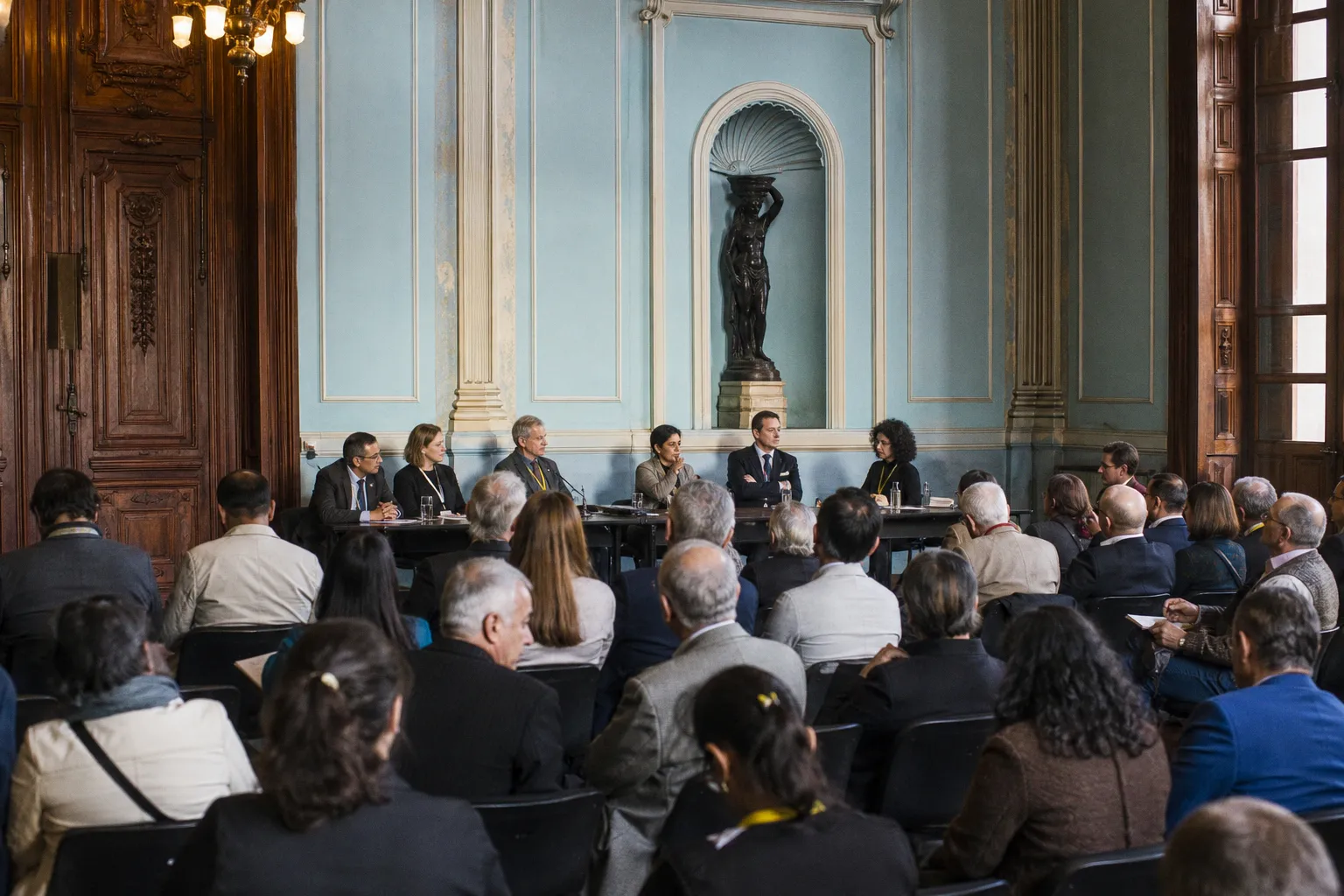
Heritage-preservation agendas surfaced across multiple jurisdictions this week. A heritage conference has reportedly resumed sessions focused on preservation, diplomats and stakeholders visited Ethiopia's Rock-Hewn Churches of Lalibela to reaffirm international conservation commitments, and a Las Cruces preservation chair received a state heritage award. The volume of institutional activity is notable; the depth of confirmed detail, less so.
Lalibela: Diplomatic Visibility for a 13th-Century Site
The most substantive confirmed development concerns Lalibela. According to UNESCO, diplomats and heritage stakeholders visited the Rock-Hewn Churches — inscribed as a UNESCO World Heritage site — to reaffirm international commitments to the site's preservation. The churches, carved from rock in the 13th century, represent one of the most studied monolithic architectural complexes on the continent. The visit signals continued diplomatic engagement with the site's conservation, though no specific technical interventions, funding allocations, or revised management plans have been confirmed in available reporting.
For heritage practitioners, the significance lies in the reaffirmation itself. International site visits of this nature frequently accompany mission reports or updates to conservation management frameworks. Whether this particular visit produces documented, actionable commitments remains to be seen.
Conference Resumes — With No Confirmed Details
Separate reporting from Big News Network indicates a heritage conference has resumed sessions in preserving heritage. The headline-level source provides no confirmed details regarding location, organizer, participating institutions, or scope of the preservation agenda. Without further verification, the event's parameters remain undefined — a gap that matters, given the breadth of contexts (structural conservation, intangible heritage, regulatory frameworks) that fall under the term "preservation."
Practitioners tracking institutional developments in the field should note the event's existence while awaiting substantive reporting on its content.
Recognition in Las Cruces
A Las Cruces preservation chair has received a state heritage award, according to Organ Mountain News. Only headline-level detail is available. The recognition confirms that local preservation leadership continues to receive institutional acknowledgment, though no specifics about the recipient's portfolio or the awarding body have been reported.
Intangible Heritage: A Separate Conservation Category
One additional report this week operates outside the built-environment frame entirely. The Standard (Hong Kong) documents a local brand's involvement in dragon boat cultural events and the promotion of pomelo leaf heritage — a case involving intangible cultural heritage transmission rather than architectural preservation. The three-generation family operation has obtained patents in Hong Kong and mainland China for pomelo leaf body wash products. The reporting frames the enterprise as a vehicle for transmitting folk practices to younger generations and overseas Chinese communities. For preservation analysts, this represents a distinct category: the institutionalization of intangible practices, which intersects with built-heritage work primarily through cultural-landscape frameworks rather than structural conservation.
What Practitioners Should Track
The confirmed facts this week point to institutional reaffirmation rather than specific policy or technical action. Two variables warrant monitoring: whether the Lalibela visit translates into revised conservation management plans or funding commitments, and whether the unnamed heritage conference produces published proceedings or formal position documents. Until then, the reporting remains at the level of institutional signaling — visible, but structurally unresolved.