UK Parliamentary Report Urges Cutting Red Tape to Unlock Heritage Buildings
The Culture, Media and Sport select committee's 68-month inquiry concludes that the UK's listed building consent system operates as a "punitive rather than preventative" measure, a structural…
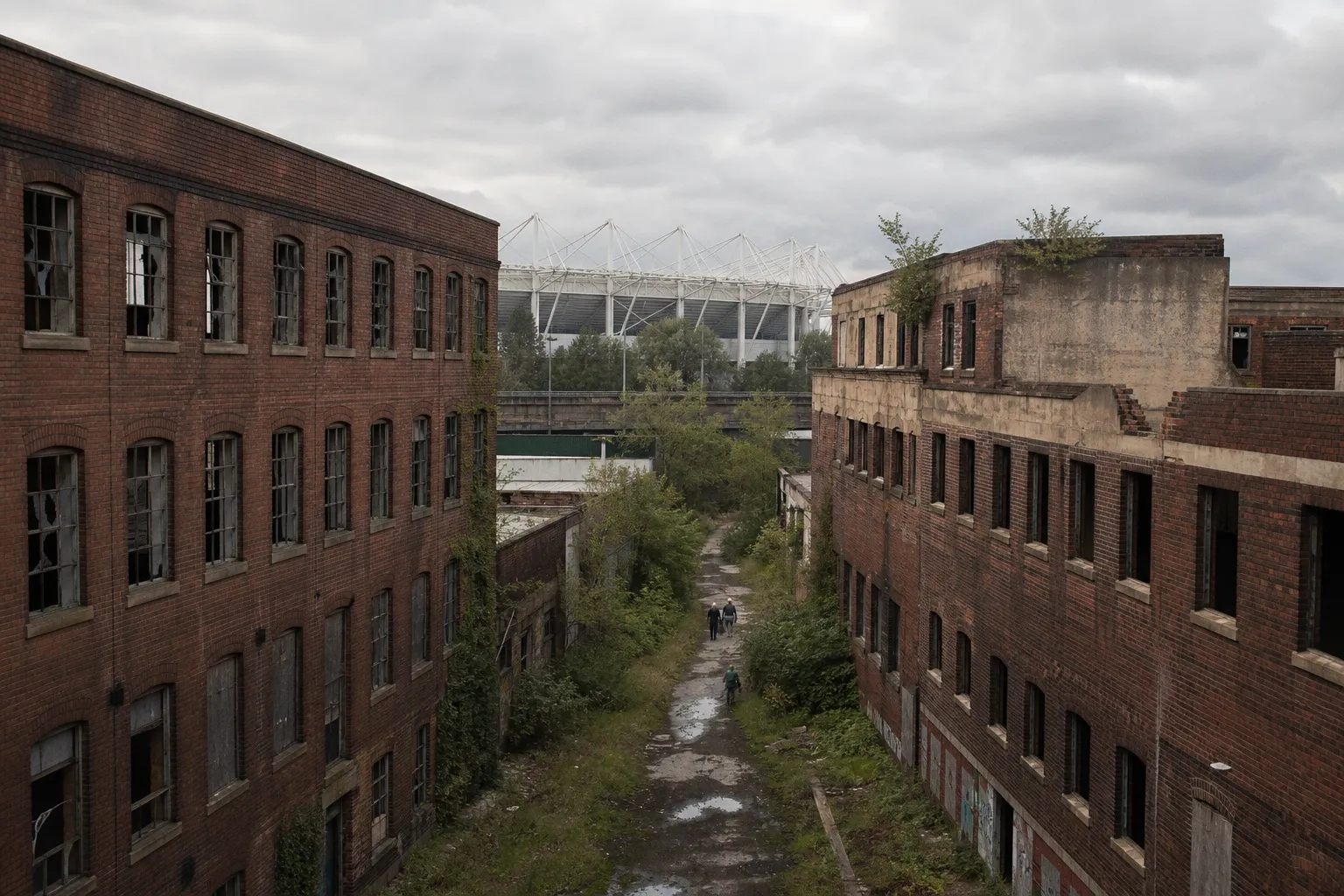
The Culture, Media and Sport select committee's 68-month inquiry concludes that the UK's listed building consent system operates as a "punitive rather than preventative" measure, a structural assessment that directly correlates with the potential loss of 670,000 housing units housed within underutilized historic fabric. This is not a failure of aesthetic appreciation but of load-bearing policy: a planning framework that permits decay through inaction.
The Planning System as a Vector for Disrepair
The committee’s report identifies a core contradiction in the spatial hierarchy of UK preservation. The existing system, designed for protection, has become a bottleneck for necessary intervention. Evidentiary hearings with Historic England and local authorities revealed a pattern: applications for maintenance or adaptive reuse of churches, factories, and monuments face a "complex and inconsistent" process. This administrative friction, combined with workforce shortages in the heritage repair sector, accelerates material decline. The recommended solution—a "standard and accessible route" for low-risk work via the existing but rarely used Local Listed Building Consent Orders—is a technical adjustment to reduce the procedural friction that currently discourages timely retrofitting.
International Models as Structural Precedents
The report's reference to Italy’s €1 house model is cited not as a romantic solution but as a demonstrated operational precedent. It presents a specific condition-based transaction: the sale of a historic structure is contingent upon a binding restoration timeline and standard. This model inverts the UK’s current approach, shifting from a reactive system that documents decline to a proactive one that mandates preservation through enforced occupation and use. The committee frames this as a "reuse first" policy, a directive that treats inhabited, functioning buildings as the primary means of conservation.
Resource Allocation and the Specialist Deficit
The cross-party committee’s call for increased funding for conservation officers and training for the heritage repair workforce points to a concrete skills gap. The maintenance of masonry, lime mortar, and period-appropriate hardware requires a specific, diminishing labor pool. Without investing in this human infrastructure, even streamlined planning approvals would lack the technical capacity to execute repairs. The report positions this not as a cultural expenditure but as a necessary operational cost to unlock the asset value embedded in the national building stock.
The recommended pathway represents a shift from preservation as static cataloging to heritage as dynamic, inhabited space. The central argument is that the most effective conservation occurs through controlled occupation and adaptive reuse, a principle that demands the planning system facilitate rather than obstruct structural intervention.