Natura 2000 Network offers opportunities for sustainable tourism across Europe
“Protected landscape” is often sold by hotels as if it were a decorative wallpaper behind the breakfast buffet; Natura 2000 is rather less convenient than that.
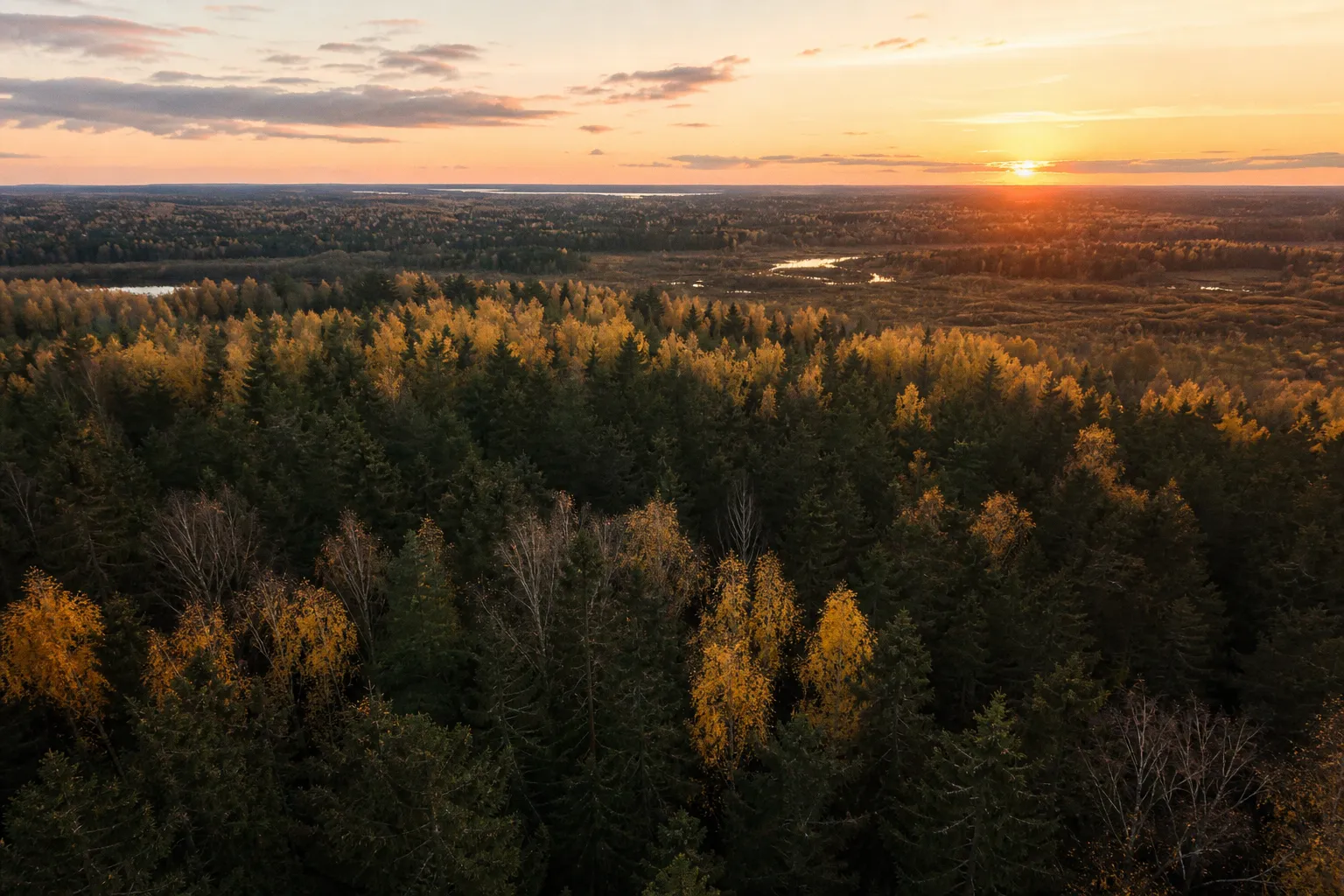
The Commission’s line: tourism is allowed, but not at any cost
The Natura 2000 network covers more than 27,000 protected sites across EU member states. According to the Commission, it accounts for nearly one-fifth of EU land and more than 10% of EU sea area. It is not a glass case: economic activity, including tourism, can take place there, provided it does not undermine conservation objectives.
That “provided” is doing a great deal of work. The new guidelines are framed around planning and management of tourism and recreation inside Natura 2000 sites, with ecotourism singled out as responsible travel that conserves the environment and benefits local communities. The Commission also puts money on the table as context: tourism contributed 7.1% of EU gross value added, around €807bn in 2024, and supported more than 20m jobs. Visitor activity within Natura 2000 sites is said to generate €50bn–€85bn annually and sustain up to 2m full-time equivalent jobs.
For accommodation operators, this is where the marketing veneer gets thin. A “nature-positive” inn beside a protected wetland, a boutique retrofit above a sensitive cove, or a heritage hotel selling guided walks into fragile terrain will increasingly need more than soft linen and a recycled-paper card in the bathroom. The question is whether the occupancy model, transport arrangements and guest behaviour fit the site’s conservation rules.
The paradox: success can damage the thing being sold
The Commission explicitly names the conservation paradox: well-managed protected areas attract more visitors, and that popularity can increase pressure on the habitats and species that made them attractive. Poorly managed visitor flows can lead to habitat degradation, species disturbance, pollution and resource depletion.
I would watch that sentence more closely than any brochure claim about “authentic escape”. In heritage lodging, the weakest point is often not the restored façade but the operational footprint: shuttle traffic, peak-hour arrivals, informal trails, water use, waste handling and excursions presented as harmless because they look rustic. A 15th-century stairwell can survive a careful retrofit; a nesting site or marine habitat may not tolerate the same casual improvisation.
The guidance points to proactive planning: visitor-management strategies, potential impact assessment, education and outreach, guided tours, citizen science and digital tools. It also stresses collaboration among authorities, tourism operators, local communities and NGOs. In plainer hotel-inspector language: the better properties will be able to explain where guests may go, when they should not go, who manages the route, and what happens when demand exceeds capacity.
Cruise limits show the same pressure on historic coastlines
A parallel signal is coming from the Mediterranean cruise debate. Travel And Tour World reports that Nice and Villefranche-sur-Mer have introduced limits and management measures for large ships, placing the French Riviera within a wider European shift involving destinations such as Italy, Spain, Croatia and Portugal. The report describes efforts to manage passenger volumes, ship size, emissions and pressure on coastal environments, while retaining some economic benefit from visitors.
The details matter because historic coastal towns often feel the pressure first: narrow streets, old drainage, modest quays and a hospitality economy tempted by high-volume arrivals. In the Riviera example, large ships visiting Villefranche-sur-Mer are reported to remain offshore, with passengers brought in by tender boats; smaller vessels continue to use port facilities in Nice, while the largest ships are directed elsewhere. Daily cruise arrivals are also being controlled, according to the report.
For travellers, the practical test is becoming sharper. Before booking a heritage stay near a protected area, ask whether access depends on seasonal limits, guided routes, shuttle systems or port controls. Before praising an “eco” hotel, ask what it does when every room is full. And before assuming infrastructure can absorb every new demand — from visitor surges to evening viewing habits, including those planning around watching the 2026 FIFA World Cup in 4K Ultra HD — remember that old places and protected landscapes both have carrying limits.
The Commission’s guidance does not ban tourism in Natura 2000. However, it makes a quieter and more consequential point: sustainable tourism is a management discipline, not a decorative adjective. That is good news for serious heritage operators, and awkward news for anyone still treating conservation as a view from the terrace.