Future of Heritage Travel: New Standards for Historic Towns
Europe's tourism sector closed mid-2026 with a measurable pivot that has direct implications for heritage travel.
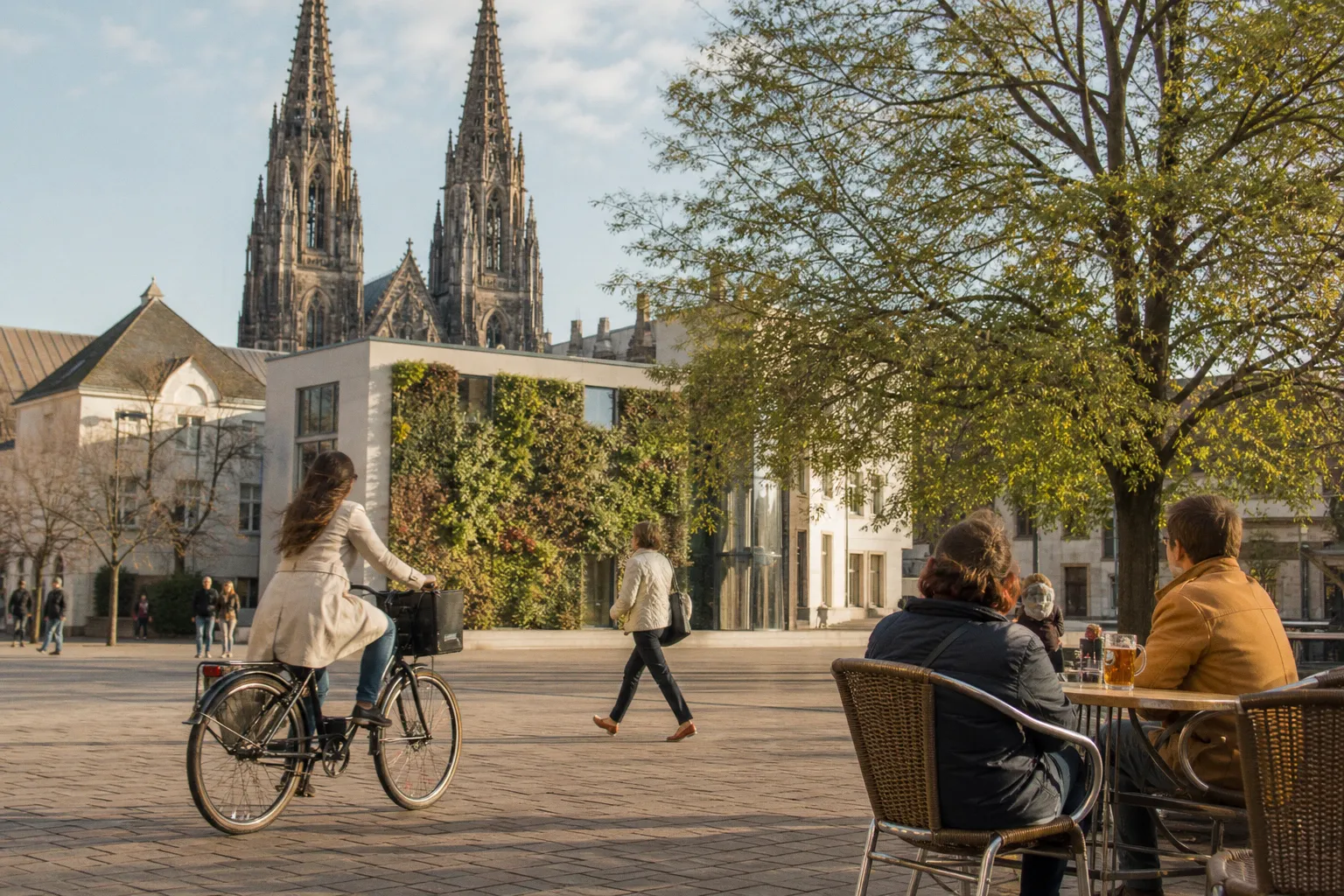
Structural gains and carrying capacity
Greece, Italy, and Malta recorded the strongest results, with growth attributed to improved connectivity, seasonal diversification, and demand for less crowded alternatives. Italy's gains were specifically linked to heritage tourism, food experiences, and lifestyle travel. From a preservation standpoint, the pattern reinforces a known constraint: medieval street grids and load-bearing masonry have fixed carrying capacity, and any model rewarding longer stays and higher per-visitor spend over daily throughput reduces cumulative pressure on the same structural surfaces.
Value-driven travel and the rebalancing of old town demand
The 2026 framework rewards destinations offering cultural depth, local interaction, and sustainability credentials — factors already shaping product development in smaller heritage markets. Parallel initiatives reported this month, including a Vietnamese-Bhutanese exchange on sustainable tourism and cultural preservation and a Croatian village's strudel-based rural development model, point in the same direction. For travelers, the operational consequence is gradual rebalancing: destinations with proven cultural authenticity and lower crowding will likely absorb demand that previously concentrated in flagship old towns. The data does not indicate how destinations plan to manage the trade-off between reduced volume and operator revenue — a practical question for any visitor weighing whether the pivot will deliver better-managed circulation and improved preservation funding, or simply higher prices at the same bottlenecks.